Top Real World Asset Token List 2026
Explore the latest real world asset token list for 2026. Compare new and upcoming RWA crypto projects, asset types, blockchain networks, token uses, and launch details in one place.


What Is Real World Asset Tokenization?
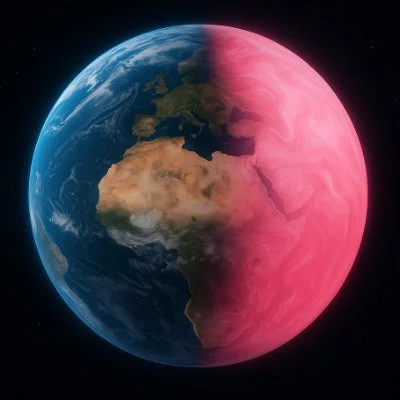
Real world asset tokenization turns a physical or off-chain asset into a digital token on a blockchain. The token may represent value, ownership, income rights, or another legal claim linked to the asset.
These assets may include property, bonds, metals, invoices, funds, energy products, or carbon credits. Blockchain asset tokenization can make ownership records easier to track and manage.
Some projects also divide one large asset into many smaller tokens. This is called fractional ownership. It may let more people access an asset without buying the whole item.
How Real World Asset Tokenization Works
The process can be different for each project. However, most tokenized assets follow a few basic steps:
- A physical or financial asset is selected.
- The asset, owner, value, and legal rights are checked.
- A company or legal body holds or manages the asset.
- Digital tokens are created on a blockchain.
- Smart contracts control token transfers and other rules.
- Users may hold or trade the tokens through supported wallets or platforms.
The blockchain records token activity, but it does not prove that the real asset exists. Users must also check legal documents, custody details, audits, and ownership records.
You can also explore the Blockchain category to compare projects using smart contracts, digital records, and on-chain ownership systems.
Why Track Real World Asset Tokens?
RWA projects connect blockchain technology with property, financial products, commodities, and other forms of real value. This gives users another way to study the crypto market beyond coins based mainly on online demand.
Investors and traders may follow these projects to:
- Find upcoming RWA tokens and new launches.
- Compare different asset-backed crypto tokens.
- Study real estate, commodities, funds, and credit markets.
- Check how a token may earn fees, rent, interest, or rewards.
- Review the blockchain and smart contract used by a project.
- Watch how traditional finance is using blockchain systems.
An asset-backed token is not always safer than another crypto token. Its value still depends on legal rights, asset quality, custody, trading demand, and project management.
Some RWA tokens connect with Decentralized Finance apps for lending, borrowing, trading, or collateral use.
What This Real World Asset Token List Includes
This page covers new and upcoming real world asset projects. Each listing is designed to show important details in a clear and simple format.
Information You May Find
- Project and token name
- Asset type and stated backing
- Blockchain network
- Token purpose and utility
- Sale or launch status
- Public documents and tokenomics
- Official website and community channels
- Known risks or missing details
Use the listings as a starting point for research. A listing does not mean that ICOAnnouncement approves, supports, or guarantees a token.
RWA Token Comparison Guide
Tokenized real world assets can represent many kinds of value. This table explains the main categories and the details users should check.
| Asset Type | What the Token May Represent | Common Use | Important Checks |
|---|---|---|---|
| Real Estate | A share of a home, building, land, or property fund | Fractional ownership or rental income | Property records, valuation, legal rights, and fees |
| Commodities | Gold, silver, oil, crops, or other stored resources | Digital access to commodity value | Reserve reports, storage, insurance, and redemption |
| Financial Assets | Bonds, funds, loans, invoices, or payment rights | Income, settlement, or access to credit markets | Issuer, repayment terms, licences, and default risk |
| Environmental Assets | Carbon credits, energy credits, or green assets | Tracking and transferring environmental value | Certification, double counting, and local rules |
| Alternative Assets | Royalties, art, collectables, or infrastructure rights | Shared access to hard-to-buy assets | Ownership proof, valuation, demand, and exit options |
Main Types of Tokenized Real World Assets
RWA crypto projects can focus on one asset or combine several asset classes. The following groups are common in the market.
Real Estate Tokenization
Real estate tokenization may divide homes, offices, hotels, land, or property funds into digital shares. A token may offer ownership rights, income rights, or exposure to the value of a property.
Users should check who owns the property, how income is paid, what fees apply, and whether tokens can be sold or redeemed.
Commodity-Backed Tokens
Commodity-backed tokens may be linked to metals, energy products, crops, or other resources. Their value may follow the price and supply of the asset.
Reserve reports, storage companies, insurance, and redemption rules are important. A blockchain balance alone does not confirm that enough physical assets are being held.
Tokenized Financial Assets
This group may include bonds, private credit, invoices, funds, and payment rights. Some tokens may provide income, but payments are never guaranteed.
Users should study the issuer, repayment terms, borrower risk, investor limits, and local financial rules.
The Finance category includes related projects focused on payments, lending, funds, credit, and other financial uses.
Environmental and Alternative Assets
Some projects tokenize carbon credits, clean-energy certificates, royalties, art, or infrastructure. These markets may be harder to value and may have fewer buyers.
Possible Benefits of Asset Tokenization
Digital asset tokenization may improve how some assets are issued, tracked, and transferred. The benefit depends on the project, asset, and legal setup.
- Smaller purchase sizes: One large asset may be divided into smaller units.
- Clear transaction records: Blockchain can record token transfers and wallet balances.
- Faster settlement: Some transfers may complete faster than older paper-based systems.
- Wider access: Approved users may access assets from different places.
- Automatic rules: Smart contracts may manage payments, limits, or transfers.
- Better asset use: An asset that is hard to trade may become easier to divide and manage.
These benefits are possible, not promised. Legal limits, platform rules, low demand, and technical problems can reduce them.
How Projects May Use Asset Tokenization
Companies may use tokenization to raise funds, manage ownership records, or give approved users access to an asset.
- Funding: A business may sell tokens linked to an asset or future income.
- Shared ownership: One asset may be divided among several holders.
- Digital records: Blockchain can store a record of token transfers.
- Rule controls: Smart contracts may limit who can hold or transfer tokens.
- Global reach: A project may reach users in more than one country, where allowed.
How We Evaluate RWA Projects
Our review process focuses on clear information and public evidence. We do not treat marketing claims as proof.
Key Review Factors
- Asset verification: Is the asset named, valued, and supported by records?
- Ownership and custody: Who owns, stores, or manages the real asset?
- Team background: Are the founders and key team members publicly identified?
- Token rights: Does the token offer ownership, income, access, or another right?
- Tokenomics: Are supply, distribution, vesting, and fees explained?
- Documentation: Are legal papers, audits, terms, or reserve reports available?
- Blockchain security: Is the contract public, verified, and independently audited?
- Project activity: Does the team provide clear and regular updates?
- Compliance: Does the project explain investor limits and local legal rules?
If important information is missing, it should be marked as “not disclosed” or “not verified.” This helps users separate known facts from project claims.
Market Growth and Adoption Signals
Interest in tokenized assets is growing among blockchain companies and financial firms. Adoption is moving from small tests toward funds, bonds, loans, deposits, and other financial products.
McKinsey tokenization research estimates that tokenized market value across several asset classes could reach about $2 trillion by 2030. This estimate does not include cryptocurrencies or stablecoins. It is a forecast, not a guaranteed result.
Signals to Watch
- More regulated tokenized funds and bond products
- New custody and asset verification services
- Clearer rules for digital securities
- Better links between different blockchain networks
- More reserve reports and independent audits
- Higher trading activity from real users
Large forecasts do not prove that every RWA project will grow. Each token must be reviewed on its own facts.
Risks of Tokenized Real World Assets
A real asset can support a token, but it cannot remove every risk. Users should review both the blockchain system and the off-chain asset.
- Ownership risk: Token holders may not have direct legal ownership of the asset.
- Custody risk: The company holding the asset may fail, lose it, or provide weak records.
- Liquidity risk: A token may be hard to sell when there are few buyers.
- Valuation risk: Property, art, credit, and private assets can be hard to price.
- Regulatory risk: Laws may limit who can buy, hold, or trade a token.
- Smart contract risk: Coding errors or attacks may cause losses.
- Issuer risk: The company behind the token may fail to meet its duties.
- Redemption risk: Users may not be able to exchange tokens for the real asset.
Regulatory and Compliance Checks
Many asset tokens may be treated as securities or other regulated financial products. Rules can change by country, asset type, and investor group.
Important Compliance Details
- The country where the issuer is registered
- The laws that apply to the asset and token
- Identity checks or investor limits
- Licences held by the issuer or platform
- Tax, reporting, and transfer rules
- The process for complaints or legal claims
A project should clearly explain these points. Users should speak with a qualified legal or financial professional when the rules are unclear.
Warning Signs in RWA Crypto Projects
Strong marketing does not prove that a project owns or controls a real asset. Watch for these warning signs:
- No proof that the stated asset exists
- No clear legal link between the token and asset
- Anonymous team members
- Missing token supply or vesting details
- Guaranteed profit or income claims
- No information about asset custody
- No smart contract audit
- Unclear redemption or withdrawal rules
- Very low trading activity
- Long periods without project updates
How to Use This Token List
Start by choosing the asset type you understand best. Then compare the project details before visiting an official website or connecting a wallet.
- Check what real asset supports the token.
- Confirm who owns and holds the asset.
- Read the whitepaper, legal terms, and tokenomics.
- Check the blockchain, contract address, and audit.
- Review supply, vesting, fees, and holder rights.
- Study trading volume and available exit options.
- Check recent updates from official channels.
- Never invest more than you can afford to lose.
Browse the listings on this page to compare RWA projects 2026 by asset type, purpose, network, and launch stage.
Disclaimer
This content is for education and general information only. It is not financial, investment, tax, or legal advice. Real world asset tokenization and asset-backed crypto tokens can involve serious risks, including loss of money. Always do your own research and speak with a qualified professional before making a financial decision.
Frequently Asked Questions
 Need Help? We've Got Answers!
Check out our most asked questions and get instant answers. Whether you're new or experienced, this section is here to guide you.