Crypto Project Reviews: Explore Projects, Tokens and Risks
Crypto projects need careful research before evaluation. Explore our latest crypto project reviews covering tokens, blockchain platforms, goals, evidence, and risks.
Latest Project Reviews

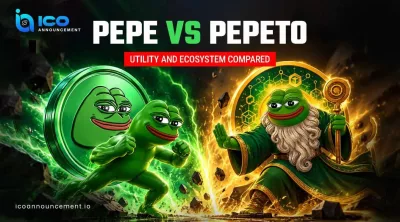
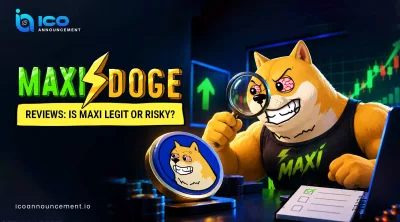
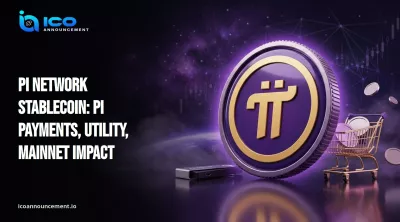


Latest Crypto Project Reviews
Browse the newest reviews to learn what each project does and what we found when we checked it. Review cards give you a quick view, while the full articles explain the findings in more detail.
A review is a record of what was known at a given time. Teams can change token terms, release products, or miss planned dates. Check when an article was published and when its key facts were last verified. If a review has changed, look for a note that explains why.
Explore Reviews by Project Type
Different projects need different checks. Our review archive may cover blockchain networks, DeFi tools, AI crypto projects, gaming platforms, meme tokens, and other digital assets. Browse by type to find the topics you want to research.
Readers who want to compare several projects or categories at once can also explore our crypto listicles for broader roundups and topic-based comparisons.
A network needs users and apps that can use it. A DeFi tool needs clear rules for how it handles funds. A token tied to a future product needs proof that the team can build it. The questions in each review depend on the project.
Some projects distribute tokens through centralized exchanges rather than decentralized launchpads. Readers researching this model can explore crypto IEOs and check the project, exchange role, token terms, and related risks.
What Makes These Crypto Project Reviews Useful?
A project website tells you what its team wants you to know. A useful review also asks what the team has done, which claims can be checked, and what remains unclear. We aim to show the limits of the evidence as clearly as the positive findings.
Each review summary uses five fields to help you decide what to read next. They give you a quick view of the work behind the article. The full review explains each finding.
|
Field |
What it tells the reader |
|
What we checked |
The whitepaper, token contract, team details, product, audit, or public activity, only if we actually checked them. |
|
What we could verify |
A short factual finding and the date it was checked. |
|
What remains unverified |
Missing documents, unclear token allocation, unconfirmed claims, or open questions. |
|
Main risk to examine |
A concern specific to the project, based on evidence and without an unsupported accusation. |
|
Last meaningful update |
What changed in the review, beyond a new date on the page. |
These fields are not a score or a promise that a token is safe. They help you see where you may need to dig deeper. If we cannot verify a claim, the review should say so rather than present it as fact.
How We ICO Announcement Review Crypto Projects
We begin with a simple question: What is the project meant to do? We then look at the product, the people or group behind it, and any token linked to it. Checks vary by project, but we seek information readers can examine, such as public documents, contract data, product access, and dated updates.
Projects using an initial coin offering also need checks around fundraising terms, token allocation, and sale structure. Our crypto ICO section covers projects using this type of token launch.
We separate facts we checked, claims made by the project, and questions we could not answer. A whitepaper may describe a plan, but it does not prove the plan is complete. A public audit may offer useful detail, but readers need to know what it covered and when it took place.
We look for strengths and weak points. A project may have a working product but unclear token rules. Another may publish clear token details while its product is still being built. A fair crypto project analysis makes room for both findings.
The Key Checks Behind Each Review
No single test can tell you everything about a crypto project. The points below guide our research. A full review gives more space to the checks that matter most for that project.
Purpose and Working Product
What problem does the project aim to solve? Can people use its product today, or is it still a plan? We look for signs of real progress and explain what we could see or test. If we did not test a feature, we should not claim that we did.
Team and Track Record
Can readers find clear information about the people responsible? What has the team built or delivered so far? A private team is not proof of a bad project, but it leaves readers with fewer ways to check its claims.
Tokenomics and Supply
When a project has a token, we look at its role, supply, allocation, and release plan. Who holds the tokens? When can locked tokens move? Unclear tokenomics can make it harder to judge how the token may be used or sold.
These checks are especially important for tokens that are still being sold before wider market access. Readers researching early-stage sales can explore current crypto presales and review their sale details separately.
Security and Open Risks
We check for relevant information about smart contracts, security reviews, past incidents, and the handling of user funds. An audit is one piece of evidence, not a guarantee. We also note risks linked to delays or missing public details when they matter.
Projects launching through decentralized platforms may require extra checks around smart contracts, liquidity, and launchpads. You can explore current crypto IDOs to research this launch model in more detail.
How to Read a Review Before You Decide
Start with the short summary, then open the full article. Read what was checked and when. Look at the main risk and any unanswered questions. Pay close attention to facts that affect money, such as token supply, lock periods, fees, and how a platform handles funds.
If terms such as tokenomics, smart contracts, or vesting are new to you, our learn crypto guides explain these concepts in simple language before you assess a project.
Check whether the project has shared new information since the review was written. If a key point is still unclear, take time to look for more evidence. You do not need to reach a quick decision.
If your research is focused more on market scenarios and possible price levels than project fundamentals, explore our crypto price predictions separately.
How We Handle Updates and Corrections
Crypto projects can change fast, so a useful review needs a clear history. When a new fact changes a key finding, the article should explain what changed and when it was checked. An error should also be corrected clearly. A fresh date alone is not proof that a review was checked again.
For developments that happen after a review is published, readers can check the latest crypto news for recent project, token, network, and market updates.
We aim to make paid relationships clear when they apply. Payment for a listing or access to a project is not proof of quality. Readers need to know about such relationships so they can judge a review with that context.
Risk Notice
Crypto tokens and platforms carry risk. Prices can fall, products can fail, and security issues can arise. This page and its reviews are for information only. They are not personal financial advice or a promise of future results. Check current facts and consider the risk of loss before making a financial decision
Frequently Asked Questions
 Need Help? We've Got Answers!
Check out our most asked questions and get instant answers. Whether you're new or experienced, this section is here to guide you.