Step-by-Step Breakdown: How Smart Contracts Work in Real Time
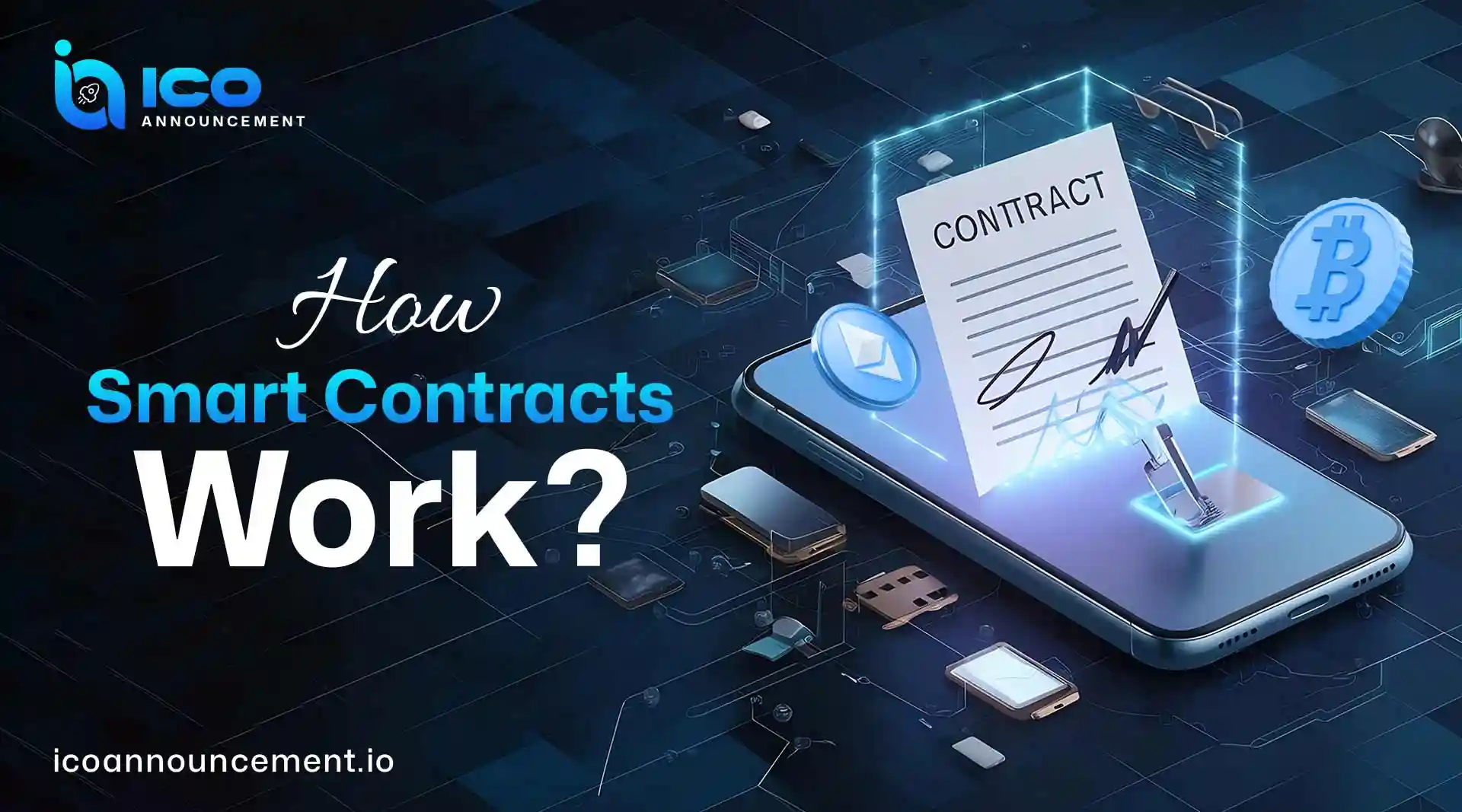
A smart contract isn't really a "contract" like the long, boring paper ones lawyers write. It is actually just a tiny computer program.
Think of it like a game of "If-Then." If you send me 5 digital coins, then the program sends you a digital ticket to a concert.
The "smart" part means it happens all by itself. Once the code is written and put online, nobody can stop it. If you want to explore more about how smart contracts work and why they matter in crypto, check out this detailed article on understanding smart contracts. You don't have to call a manager or wait for a person to click "approve." The code does the work.
Why do people use them?
Usually, when you sign a contract, you have to trust the other person. If they break the rules, you have to go to court, which costs a lot of money. With a smart contract, the code is the law. If the rules aren't met, the deal just doesn't happen. It’s safe because it’s math, not a promise.
Blockchain Basics: The Digital Notebook
Imagine a giant notebook that everyone in the world can see, but nobody can erase. This is what a blockchain is. When someone writes a smart contract, they put it into this notebook.
Everyone has a copy- Thousands of computers around the world keep a copy of this notebook.
No erasing- Once a page is written, you can’t use white-out or rip the page out.
Public- Anyone can look at the notebook to see the rules of a contract.
Because it lives on the blockchain, it stays there forever. It’s not on one person's laptop. It’s everywhere at once. This makes it really hard to hack or change.
How Smart Contracts Actually Work
Let's look at a real-life example. Imagine you want to rent an apartment.
The Agreement- The landlord creates a smart contract. It says: "If the renter pays 1,000 coins, they get the digital door code."
The Deposit- You send your coins.
The Holding- The Contract holds onto your money. It doesn't give it to the landlord yet.
The Delivery- The contract automatically sends you the door code.
The Payday- Once you have the code, the contract releases the money to the landlord.
If you don't send the money, you don't get the code. If the landlord doesn't provide a code, the contract gives you your money back. The computer handles the trust part.
What are DAOs? (The Digital Clubs)
This is where things get a bit weird but cool. DAO stands for Decentralized Autonomous Organization. Think of a DAO like a club where there is no president or boss. Instead, the club is run by smart contracts.
Imagine you and your friends want to buy a pizza. In a DAO:
Everyone puts money into a digital "pot".
Everyone votes on what toppings to get.
If "Pepperoni" wins, the contract automatically sends the money to the pizza shop.
No one can run away with the money because the money is locked in the code. The members of the DAO make decisions together, and it carries out those decisions. It’s like a company that runs itself.
Cross-Chain and Bridges: Moving Between Worlds
There isn't just one blockchain. There are many, like Ethereum, Bitcoin, and Solana. Think of these like different islands. Sometimes, you have money on "Ethereum Island," but you want to use a smart contract on "Solana Island." Usually, these islands can't talk to each other. This is where Bridges come in.
A bridge is a special type of smart contract that helps you move your digital stuff from one island to another.
You lock your coin on Island A.
The bridge sees its locked and "prints" a copy of that coin on Island B for you to use.
When you want to go back, you destroy the copy on Island B, and the bridge unlocks your original coin on Island A.
Cross-chain just means "between chains." It’s the technology that lets all these different notebooks and islands work together so you aren't stuck in just one place.
Is it Always Safe? (The Real Talk)
Even though smart contracts are cool, they aren't perfect. Because they are made of code, they can have mistakes.
Bugs- If a human writes the code wrong, the contract might do something silly or lose money.
No Take-Backs- Since you can't erase the blockchain, you can't easily "undo" a mistake. If you send money to the wrong place, it’s usually gone.
Scams- Sometimes, people write specifically to trick people. You always have to be careful.
This is why people say "Do Your Own Research." You shouldn't put money into a smart contract unless you know it has been checked by experts (this is called an "audit").
Why Should We Care?
They are still pretty new. Right now, mostly people who like tech and crypto projects use them.
But in the future, they could be used for everything. There are already many real-world blockchain use cases beyond crypto coins, and new applications keep growing every year.
Voting- To make sure votes aren't tampered with.
Music- So artists get paid every time someone plays their song, without a record label taking a huge cut.
Gaming- To own items in a video game that you can actually sell to other players.
The main goal is to give power back to regular people. Instead of trusting a big company, we trust math and code that everyone can see.
Final Thoughts
Smart contracts are just digital if-then rules. They live on a blockchain (the giant digital notebook). They help us run clubs (DAOs) and move money between different systems (Bridges). It sounds complicated because the words are big, but it’s really just about making deals that are fair and automatic. We are still in the early days, so things can be bumpy. But the idea of a world where you don't need permission from a bank to move your own money is a pretty big deal.