Pi Network MCP Explained: AI Agents, App Development, and PI Payments
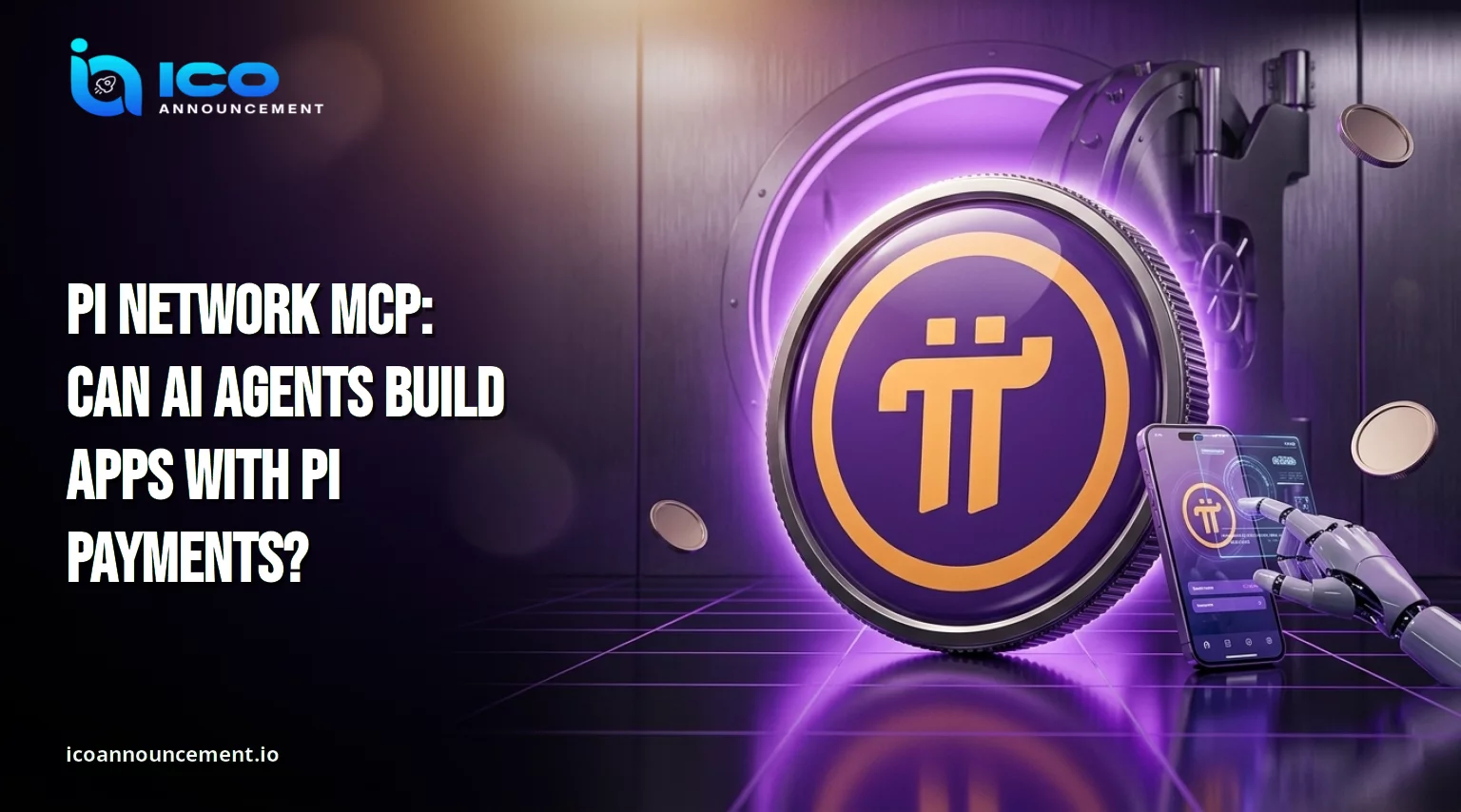
Can an AI coding agent register an app, add sign-in, and set up payments while the builder watches? On November 17, the Core Team said it can, within limits.
The new Pi Network MCP tools link compatible agents to the official developer platform.
This guide covers what was announced, what ran only on Testnet, and what stays planned for Mainnet.
Key Takeaways
- The Developer Web Console lets AI coding agents handle supported setup and integration tasks through Model Context Protocol.
- Agents can work on app registration, configuration, sign-in, and payments, with human approval where required.
- Subscription contracts and x402 payments were shown on testnet, not mainnet.
- Launchpad, DEX, and AMM tools are planned for mainnet in Q1 2027.
Pi Network MCP Explained: What Did the Team Announce in November 2026?
Day 1 of the first Ecosystem Summit, held online from November 17 to 19, introduced a browser-based developer web console.
Its tools are built on Model Context Protocol, an open standard that lets an AI assistant call outside services. A builder types plain instructions, and a compatible agent performs supported setup steps.
This differs from the earlier no-code builder. It targets people who already use AI coding agents and want those agents to reach the platform directly. The announcement names both new projects and existing ones moving over as intended uses.
The official post lists every Day 1 item, including an x402 testnet demo and a redesigned app directory. Read the Developer Web Console announcement for the full schedule.
How Do MCP Tools Let AI Coding Agents Build and Register Apps?
The console gathers app management and developer resources in one place. A connected agent can create and register an application, set its configuration and URLs, and implement platform APIs. A person still approves any step that needs authorization.
The official demo, hosted by founder Nicolas Kokkalis, walked an agent through registration, configuration, and integration. Developers can also apply for an ecosystem listing. That is the promise of AI-assisted app development: fewer manual hops between documentation pages and settings screens.
Builders can compare this route with other Pi Network AI tools, such as SoloHost packaging for self-hosted apps.
Can AI Agents Integrate Pi Authentication and Payments Without Coding?
Mostly for setup, but not for judgment. The announcement says agents can implement sign-in and payment calls, yet human authorization applies where required. Think assisted development, not a fully autonomous builder.
Generated code still needs review, especially anything touching money. Test one payment flow, confirm each amount matches the screen, and log failed attempts before inviting users. The official Pi developer portal holds the SDK documentation and registration steps an agent follows.
Subscription Smart Contracts: How Will Recurring Payments Work?
The Day 1 demo also covered an on-chain subscription contract. A user approves a spending budget and a period, such as six months for a monthly plan, then skips signing each renewal. Funds stay in the wallet until a charge is processed, and the user can extend or cancel.
The contract first appeared on Testnet in April 2026, and the demo showed builders how to integrate that Testnet version. Wallet support now exists around it. Treat it as a test feature until a mainnet release is announced. For technical background, read this explainer on Pi smart contracts and applications.
MCP-Assisted Coding vs App Studio Builder: Which Tool Fits You Best?
Choose by skill and control. App Studio is the guided builder: describe an idea, generate the result, and publish. MCP-assisted work suits developers who prefer their own coding agent. Traditional SDK coding remains available for full control.
Technical needs differ. The guided builder asks for little code knowledge, while the console route expects someone to read what the agent produces.
Newer creators can start with this guide to build Pi apps without coding before moving to agents.
What Does This AI Update Mean for Mainnet Apps and Coin Utility?
Easier setup could bring more subscription and payment apps, but nothing here proves demand. The team reports more than 300 Mainnet apps, 60 million Pioneers, and 420,000 nodes. These are self-reported figures with no per-app usage.
Keep three layers apart. Live: the console and agent-based setup, described as available now. Demonstrated on testnet: subscriptions and X402 payments. Planned: Launchpad, DEX, and AMM, targeted for mainnet in Q1 2027. For current listings, see this overview of Pi Network Mainnet applications.
Is the AI Developer System Ready? 5 Things Every User Should Check
- Feature status: confirm whether a feature runs on testnet or mainnet before trusting it.
- App security: review permissions, data use, and any generated code.
- Payment status: check the documentation for current payment availability before charging users.
- Listing approval: registering an app does not guarantee a directory listing.
- Real usage: judge apps by returning users, not by announcements.
MCP and AI App Development: What Should Builders Watch in 2027?
Watch the App Growth Initiative, a marketing budget of up to 20 million coins for eligible projects. Eligibility rules and reward amounts have not been published. Watch the Mainnet timeline for Launchpad, DEX, and AMM tools as well.
The nearer date is November 19, when a new hackathon opens with a 200,000 USDT prize pool. The official post says builders can use the SDKs, sign-in, and built-in payments. Full rules should appear on launch day, so check Pi Next hackathon opportunities for details.
The bottom line for Pi Network MCP is simple. It lowers setup friction today, but real utility depends on useful apps that keep their users.
Disclaimer
This article is for general information only and is not financial, investment, tax, or legal advice. Crypto assets are volatile, and features, dates, and eligibility rules can change without notice. Verify every detail on official channels, review any generated code before using it with real funds, and do your own research before making a decision.