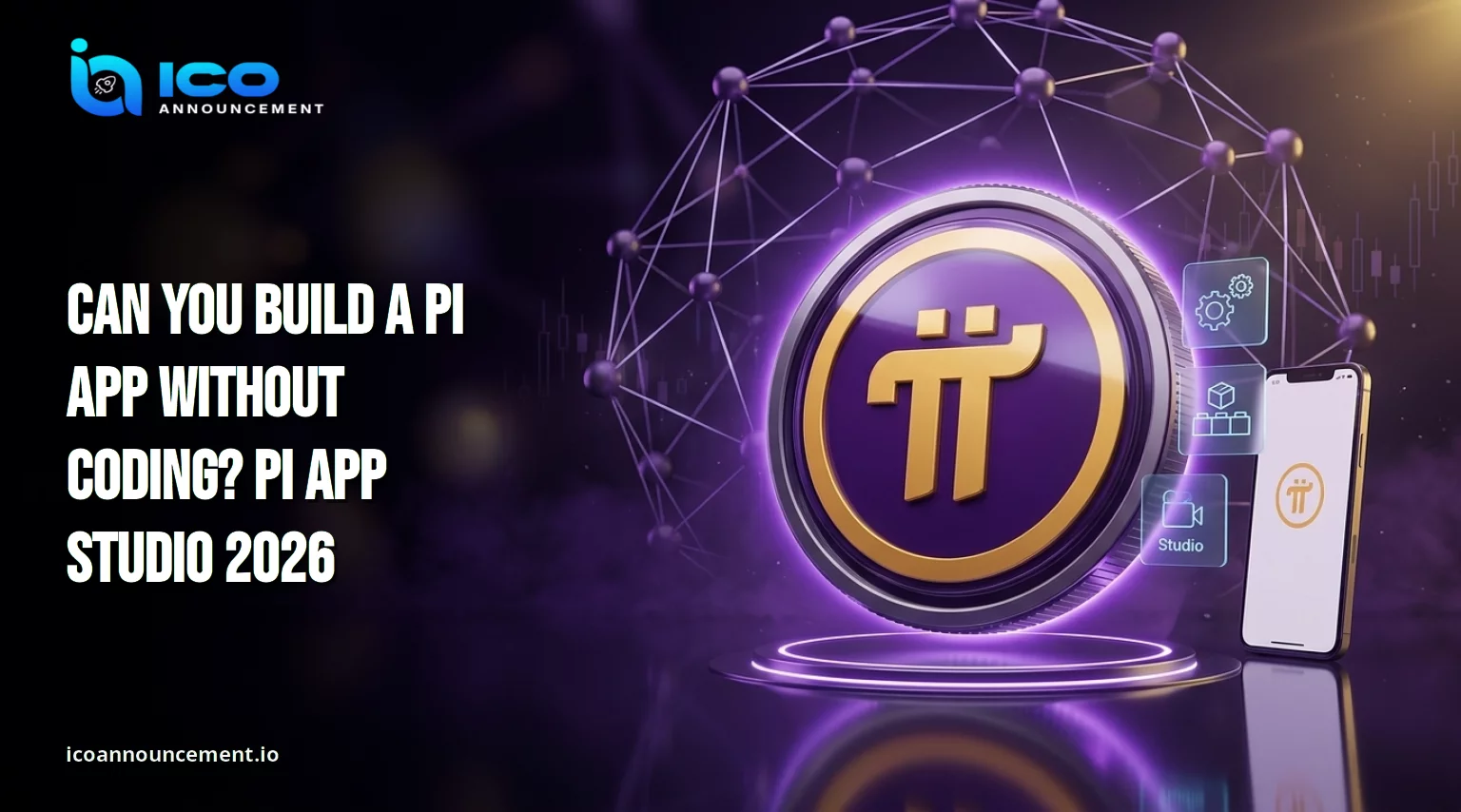
Pi App Studio Pricing 2026: Does It Still Cost 0.25 PI to Build?
Can you build an app without coding? In 2026, many creators ask exactly that, and the honest answer is yes for simple projects, with limits.
Pi App Studio is the official builder that turns a plain idea into a live product for Pioneers.
This guide explains how the platform works, how to set up a first project, where smart tools fit, how checkout gets added, and what creation now costs.
Key Takeaways
Pi App Studio is a generative builder for launching ecosystem projects without deep programming skills.
The old 0.25 fee was a subsidized rate, not a permanent price. Standard pricing now follows actual service costs.
Creators whose projects attract real, distinct users can keep subsidized pricing, and eligibility is reviewed regularly.
Checkout can be added through guided tools, but publishing never guarantees income.
Check permissions, links, and purchase requests before using any listing.
What Is Pi App Studio? How the Pi Network App Builder Works
Pi App Studio is a gen-AI coding tool from the Core Team. Creators, technical or not, describe an idea, shape it in a planning phase, and let the builder generate a working product that publishes straight into the ecosystem.
Newer creations also get backend storage, so users keep scores, lists, or notes after they leave and return.
The platform sits beside the Developer Portal and the desktop client, and it targets real-world utility rather than demos. For context on what live projects and purchases already look like, read our guide to:
How to Create a Pi App in 2026: The Step-by-Step Setup
Menu labels can change, so follow the on-screen prompts. The usual flow looks like this:
Open Pi Browser or the desktop client and find the builder.
Describe your idea in plain language.
Refine the concept during the planning phase.
Generate the first version and test it inside the browser.
Edit, then review configuration and user authentication.
Publish and share the listing.
Each edit uses resources, so test one change at a time. The company explains the full process on its own page:
official Pi App Studio platform
Can You Build a Pi App Without Coding? Try These AI Tools
There are two routes. The first is building directly inside the platform, which suits beginners who want assisted development without touching code.
The second is building elsewhere with coding assistants such as Codex, Claude Code, Replit, Cursor, or Lovable, then converting that project into an ecosystem listing.
Keep the workflows separate. The external route gives more control but needs more checking, because generated code can contain mistakes.
Simple utilities, trackers, and games suit the no-code route best. Anything handling money deserves a careful human review.
How to Add Pi Payments to Your App Using the Pi SDK
Creators can add payment features through guided steps without coding. Early checkout used test coins, then live transactions arrived for qualifying projects in March 2026, according to official announcements. Developers writing their own code can use the SDK instead.
Start with test transactions, confirm that each amount matches what the screen shows, and record failed attempts.
Protocol upgrades also affect how contract-based projects are maintained, which our explainer covers under: Pi smart contract and app upgrades
Pi App Studio Pricing 2026: Does It Still Cost 0.25 PI?
Not as a universal rule. Until August 24, 2026, creators paid 0.25 to create and 0.25 per edit, while the Core Team covered the rest of the bill. Since that date, standard prices reflect the actual cost of the services used, with no markup.
Creators whose projects show real usage from distinct users, beyond themselves, can keep the earlier subsidized rates. Eligibility is not a one-time decision, and tiers may change. Always check the price shown before generating. The announcement is here:
What Happens After Publishing? How to Get Real Pi App Users
Publishing is the start, not the finish. Pioneers find projects through directories and word of mouth, so a clear description, a working login, and fast loading matter more than extra features. The first Ecosystem Summit is scheduled for November 17 to 19, 2026, which may bring new announcements for builders.
Measure repeat visits rather than downloads, and fix complaints quickly. No listing guarantees users or earnings. Track announcements in our roundup of:
latest Pi ecosystem developer updates
Pi App Studio vs Developer Portal vs SoloHost: What's Different?
Choose the builder for speed, the portal for control, and SoloHost for local tools. Setup details are in:
Is Pi App Studio Safe? Check App Permissions and Payment Risks
Treat every listing as unverified until you check it. Never enter a wallet passphrase anywhere except the official wallet, because the Core Team says it never asks for authentication details. Review requested permissions, confirm purchase amounts, and ignore links from strangers.
Creators carry responsibility too: describe data use honestly and avoid promising returns. For wallet hygiene, see:
Final Thoughts on Pi App Studio
Pi App Studio lowers the barrier to launching a utility project, yet success still depends on testing, honest cost awareness, and real users. Start small, watch costs, and treat purchases carefully.
Beginners who ask whether a first project is possible now have a clear path to try.
Disclaimer
This article is for general information only and is not financial, investment, tax, or legal advice. Tokens and other digital assets are volatile, and prices, fees, features, and eligibility rules can change without notice. Building or publishing a project does not guarantee users, revenue, or any return. Details such as pricing tiers, payment availability, and menu names come from official announcements at the time of writing and may have changed. The author and publisher accept no liability for losses arising from reliance on this content. Do your own research and consult a qualified professional where needed.