Pi Network Launchpad Guide: How SLICE Test Tokens Work Before Mainnet
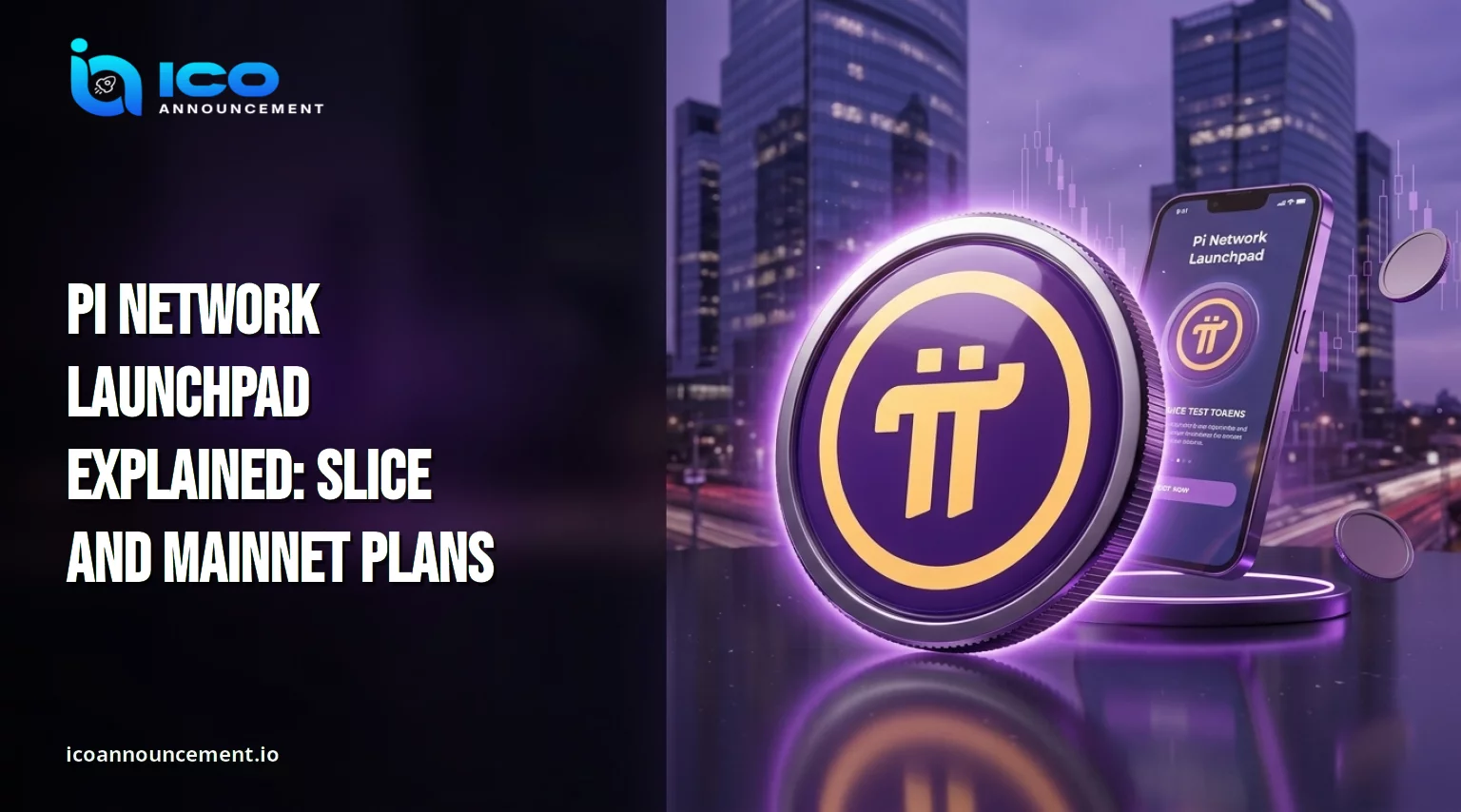
Pi Network Launchpad is an app that tests how new ecosystem coins could launch inside the network.
The first version appeared in March 2026 on the practice chain.
A second trial coin followed. Many Pioneers now ask whether any of this leads to real assets.
This guide sticks to confirmed facts. It separates what happened, what is still a trial, and what the team has not announced.
Key Takeaways
- The tool runs only on the testnet, so no real money is involved.
- SLICE is the second trial coin and ties to a working app.
- Committed funds go into a liquidity pool, not to the issuer.
- No mainnet date has been announced.
- Do not treat a trial coin as an actual asset.
What Is the Pi Network Launchpad, and Why Does It Matter for Pioneers?
The tool follows Design 1 of an open proposal the team published earlier, called a Request for Comment.
The team says ecosystem coins should act as tools inside a real product, such as access, payments, rewards, or governance. Raising money is not the goal.
That sets it apart from a classic sale site. A project needs a working app before it issues anything.
Still, a launch process guarantees nothing about value. Utility depends on whether people use the apps.
Our look at apps already live shows where payments work today.
Pi Launchpad Testnet Explained: What Happened With SLICE Tokens?
The first release used a trial coin called IRRA. The team reported more than 478,000 Pioneers took part.
That scale gave it real data on how users join coin events, and it reworked the participation flow afterward.
SLICE came next and links to a working ecosystem app. Entry ran from June 11 to June 28, 2026, ending on Pi2Day.
More than 242,000 Pioneers committed 15.92 million Test-Pi for 10 million SLICE. Afterward, the app showed each user's allocation, launch price, effective price, and a pool price chart.
See how the tool was first introduced in the official announcement.
How Does the Pi Launchpad Token Launch Process Work in Practice?
Users commit test funds during a fixed window. When it closes, the new coin is shared out by commitment size. An engagement bonus linked to the partner app also changed final amounts.
The key design choice is where the funds go. They do not go to the project. They enter a liquidity pool beside the new coin.
The pool runs on an automated market maker with a constant-product rule. Buying removes the new coin from the pool and adds test funds, so the shown price rises. Selling reverses it.
Network upgrades matter here as well, and this explainer on smart contract upgrades covers Protocol 28.
Pi Launchpad Testnet vs Mainnet: What Is the Real Difference?
The testnet is a practice chain. Its coins carry no real-world value, so mistakes cost nothing.
Mainnet is the production chain, where balances are real and transfers are permanent.
The team starts on the practice chain because the mechanics are new to most Pioneers. The design may still change after feedback.
Do not treat SLICE as a future production asset. Nothing published says trial balances convert into full coins.
Real value also depends on apps accepting a coin, and our note on token utility basics shows how that differs from stablecoins.
Can You Buy or Trade SLICE Tokens? Check These Details First
The coin can be swapped only inside the pool, against test funds, not real money. The chart reflects pool activity, not an outside market price.
Be careful with any site that lists it for sale. A trial coin has no contract to buy.
Check three things before acting on any claim.
- First, look for a post from the team itself.
- Second, confirm which network the coin sits on.
- Third, ask whether a contract exists on the real network.
If any answer is missing, wait.
Before trusting a trading claim, check the official update archive for anything new.
Is Pi Launchpad Coming to Mainnet? What Is Confirmed So Far?
Confirmed: a practice version exists, and two trial coins have run. The team describes the aim as preparing Pioneers for a later full version.
Not confirmed: a launch date, a list of full coins, or any bridge from SLICE. Skip any timeline you cannot find on the team's own channels.
The first Ecosystem Summit runs online from November 17 to 19, 2026. No Launchpad date has been tied to it.
Follow the latest ecosystem developments to see whether the feature reaches the agenda.
Pi Launchpad Risks: Token Liquidity, Scams, and What to Check
Trial coins invite confusion. A scammer may claim SLICE has a market price or ask for a fee to claim it.
Nothing official supports either claim. Fake pages often borrow official logos and push urgency.
Liquidity is a second risk. A shallow pool can swing sharply on small swaps, and even a production launch tool cannot promise a stable price.
Use this short checklist:
- Confirm the source is an official channel.
- Never share your passphrase.
- Ignore any offer to sell or airdrop SLICE.
- Treat a date without an official post as a rumor.
Wallet safety matters most, so learn how to protect your wallet from impersonators.
Final Thoughts on Pi Network Launchpad and What to Watch Next
Pi Network Launchpad is real, but it is still a practice tool.
The second trial coin showed Pioneers how commitments, pools, and swaps work. It did not create an actual asset.
Until the team posts a date and a coin list, treat Mainnet claims as unconfirmed. Recheck official posts before you act on anything you read.
Disclaimer
This article is for general information only. It is not financial, investment, legal, or tax advice. Crypto assets are volatile, and you can lose money. The trial coins covered here have no real-world value. The facts reflect public information available on October 29, 2026, and they can change. Verify every detail through official channels before you act. The publisher accepts no liability for losses that follow from using this content. Always do your own research.