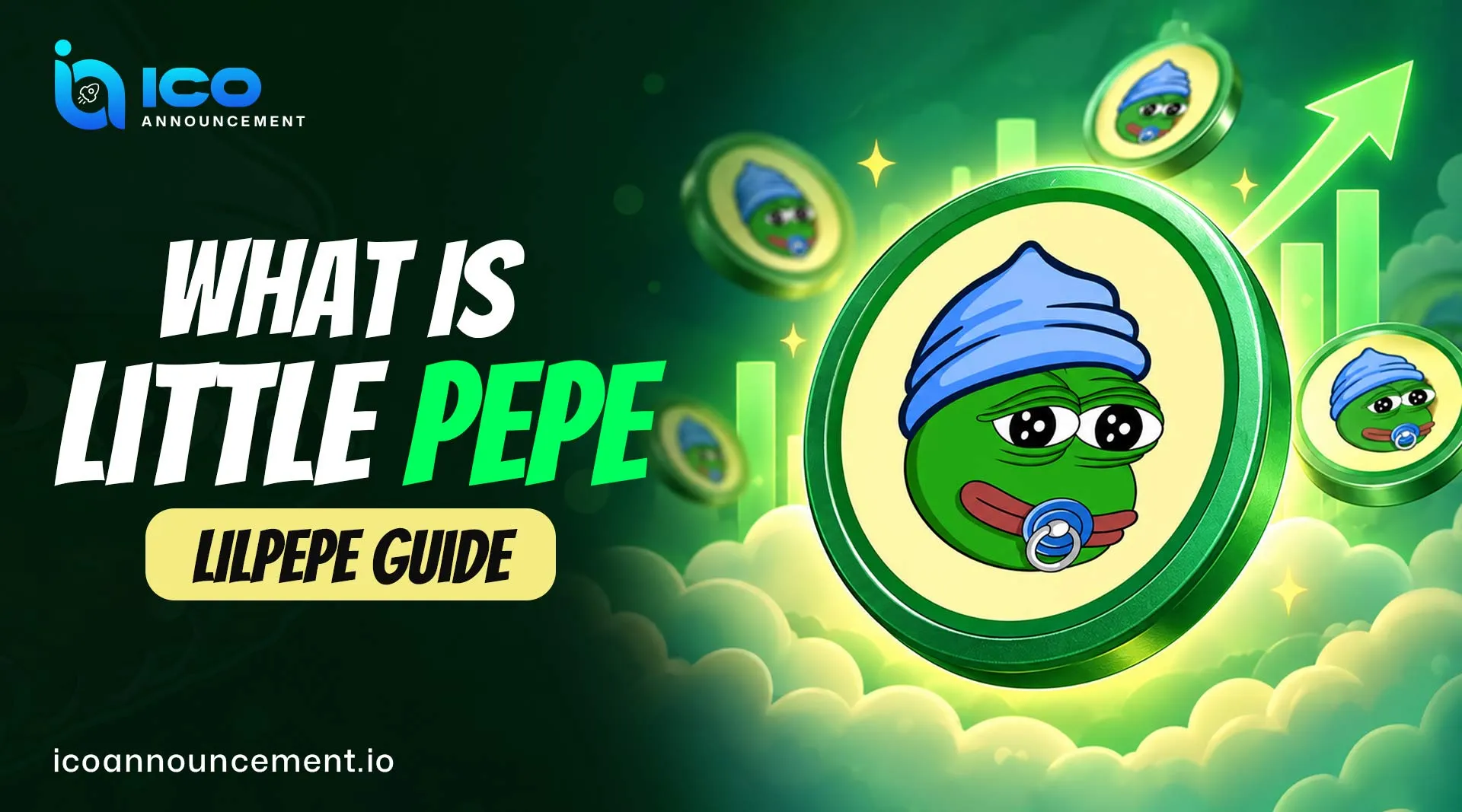
Little Pepe first showed up in mid-2025 as an Ethereum meme coin with a twist: instead of riding on an existing chain, it built its own Layer 2 network.
That single decision separated it from thousands of copycat frog tokens and turned it into one of the most talked-about presales of the cycle, raising more than $28 million from a global base of over 222,000 participants.
This guide breaks down what Little Pepe actually is, how its technology works, what LILPEPE tokenomics look like, and what risks are worth weighing before anyone buys in.
Key Takeaways
Little Pepe (LILPEPE) is a meme coin built on its own EVM-compatible Ethereum Layer 2 network, not just another token deployed on an existing chain.
The project combines meme culture with real infrastructure: a Meme Launchpad, anti-sniper-bot protection, and zero-tax trading.
LILPEPE has a fixed total supply of 100 billion tokens, with 17.25 billion allocated to the presale across 14 pricing stages.
The presale had raised over $28.3 million as of mid-September 2026, with the token already trading on a small set of exchanges ahead of a wider listing.
Little Pepe carries the same volatility and execution risk as any early-stage meme project, and no Tier-1 exchange listing has been officially confirmed.
What Is Little Pepe (LILPEPE)?
Little Pepe is a meme coin project built around its own purpose-made Ethereum Layer 2 blockchain rather than an existing network like most meme tokens.
The team describes it as an EVM-compatible chain designed specifically for meme-focused trading and applications, aiming to give creators and traders faster settlement and lower gas costs than they would get directly on Ethereum mainnet.
The native token, LILPEPE, pays for network fees and access across the ecosystem, which the project positions as a demand driver beyond pure speculation.
The project also ties in meme culture directly, using the long-running Pepe the Frog identity that has already powered other large tokens such as PEPE and Pepe Coin.
Beyond the base chain, it includes a Meme Launchpad that lets new meme projects deploy on top of its Layer 2, plus anti-sniper-bot protection meant to stop automated bots from front-running retail buyers during new token launches.
Together, these features are the project's pitch for standing apart from a meme coin market that is normally driven by hype alone.
How Does the Little Pepe Layer 2 Blockchain Work?
Little Pepe runs as an EVM-compatible Layer 2 network, meaning developers can deploy existing Ethereum smart contracts on it without rewriting code.
That compatibility is meant to open the door for decentralized apps, NFT platforms, and other meme-adjacent tools to launch directly on the chain instead of competing for block space on the Ethereum mainnet.
The project markets three core technical advantages: fast transaction finality, very low fees compared to Ethereum Layer 1, and built-in anti-bot defenses at the protocol level.
According to the official whitepaper, the anti-sniper design is meant to slow down bots that typically buy new listings within seconds and dump on retail traders.
Zero-tax trading is another feature the team highlights, removing the buy and sell tax structures that many older meme tokens used and that often hurt liquidity and trading volume over time.
Whether this Layer 2 infrastructure sees genuine developer adoption beyond the LILPEPE ecosystem itself remains an open question until real usage data becomes available post-launch.
LILPEPE Tokenomics and Presale Progress
LILPEPE has a fixed total supply of 100 billion tokens.
Of that, 17.25 billion tokens, about 17.25% of supply, were allocated to the public presale, split across 14 pricing stages that started at $0.001 in Stage 1.
Those figures come from the official presale dashboard, captured September 13, 2026, and cross-check cleanly against the published progress bar.
Vesting for presale buyers is scheduled to release 5% of purchased tokens every 30 days after listing, following a short cliff period.
No confirmed Tier-1 exchange listing date has been announced by the project team at the time of writing, and readers should treat any specific listing date circulating online as unverified until the project confirms it directly.
Little Pepe vs. Other Meme Coins
Little $Pepe is frequently compared to the original PEPE token and to established names like Dogecoin and Shiba Inu, mainly because it leans on the same meme-first audience.
Each of these projects reached its audience differently, and that history shapes how analysts frame Little Pepe's chances today.
The main difference is infrastructure timing.
ITs launched with zero pre-planning, while Little $Pepe built its Layer 2 and Launchpad before any exchange listing, betting that utility built in from day one will matter more once the presale hype fades.
Risks to Know Before Buying Little Pepe
Every early-stage meme project carries risk, and this project is no exception.
The presale ran far longer than its earlier stages suggested, with Stage 13 taking many months to sell out after the team quietly reduced the fundraising target, which is worth factoring into any timeline expectations.
No major Tier-1 exchange listing has been officially confirmed, so liquidity and price discovery after any public listing remain unknown.
Buyers should also verify they are only interacting with the official presale website, since fake tokens and copycat sites have already appeared for this project on other chains.
Shitcoin as a category are highly volatile, and presale allocations are illiquid until vesting begins, so anyone considering LILPEPE should treat it as a high-risk, speculative position rather than a guaranteed outcome.
Expert Opinion
Analysts covering the Shitcoin coin sector note that LittlePepe's approach, pairing a dedicated Layer 2 with meme branding, is a departure from the 2021-era model of pure hype-driven tokens.
The presale's size and duration suggest real demand exists, though the extended Stage 13 period and two unconfirmed launch dates point to execution risk that buyers should not ignore.
The project's long-term relevance will likely depend on whether its Launchpad and Layer 2 attract independent developer activity after listing, rather than on presale momentum alone.
Disclaimer
This article is for informational purposes only and does not constitute financial or investment advice. Cryptocurrency prices are highly volatile, and presale tokens carry additional risks, including delayed vesting, unconfirmed listing dates, and project execution risk. Readers should conduct independent research and consult a licensed financial advisor before making any investment decision involving LittlePepe or any other digital asset.