How to Track and Verify NFT Assets within the Digital Ecosystem
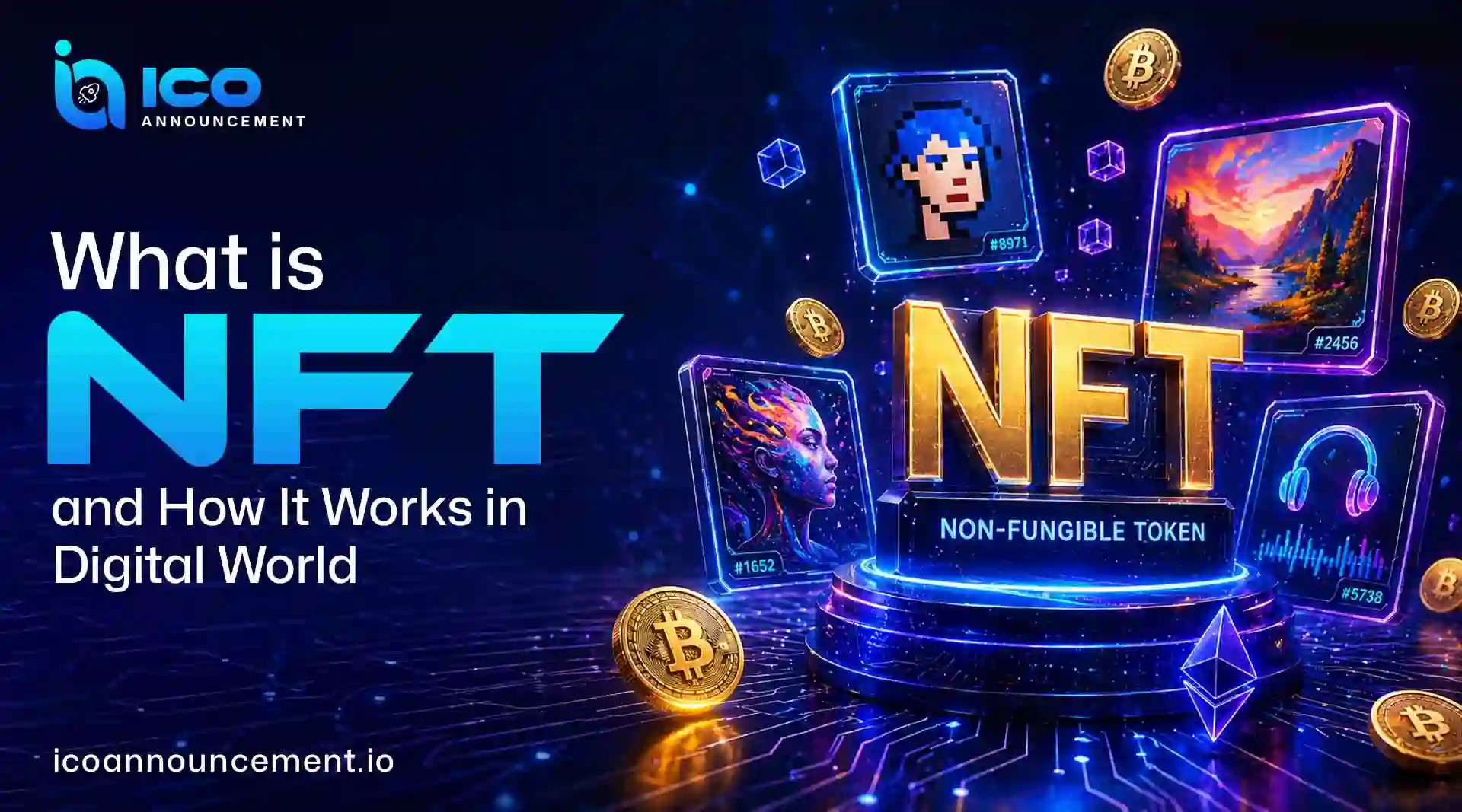
NFT stands for Non-Fungible Token. Okay, that still sounds confusing. Let us break it into two parts. Fungible means something you can swap with another thing of equal value. Like money. If you have a ten-rupee coin, you can trade it for another ten-rupee coin. They are the same. Same value. Completely exchangeable.
Non-fungible is the opposite. It means one-of-a-kind. Not replaceable. Think of the Mona Lisa. Yes, you can print a copy. You can hang it in your room. But the real original is unique. There is nothing equal to it. If you still feel confused, you can check out what an NFT is in simple words to understand it in a very easy way.
How Is an NFT Made and Sold?
Making an NFT is called minting. The word comes from how coins are made at a mint. When you mint an NFT, you are basically converting a digital file into a token on a blockchain.
You create a digital file. It could be art, music, a short video, a 3D model, really anything.
You go to a marketplace. Some common ones are OpenSea, Rarible, or Magic Eden.
You connect a crypto wallet. This is like your digital account for holding cryptocurrency.
You upload the file and pay a small fee called a gas fee. This is the cost of writing your data onto the blockchain.
It is now live. You can sell it, auction it, or hold it.
They are buying the ownership record, not the file itself. They can view it, show it off, and resell it. The original creator can also set a royalty, so every time it gets resold, they earn a small cut automatically.
What Can Be an NFT?
In the digital world, almost anything can be turned into an NFT. Here are some common things people collect:
Digital Art- This was the first big use. Artists sell digital paintings or 3D animations.
Video Game Items- In 2026, many games let you own your "skins" or swords as NFTs. This means if you stop playing the game, you can sometimes sell your items to someone else.
Music- Musicians can sell songs directly to fans without needing a big record company.
Collectibles- Think of these like digital trading cards. Some people collect Pudgy Penguins or CryptoPunks just like people used to collect Pokémon cards.
Real-World Stuff- Nowadays, some people even use it to prove ownership of a physical pair of sneakers or a concert ticket. If you want to learn more, you can explore real-world uses of blockchain to see how it works in daily life.
Why Do People Care About NFTs?
You might be thinking this sounds like a lot of work for a digital picture. But there are a few reasons why people get excited about them:
Helping Creators- It was hard for digital artists to make money. People could just copy their work for free. Now, an artist can sell their work and even get a royalty. This means every time it is sold to a new person in the future, the original artist gets a small piece of that money automatically.
True Ownership- When you buy a movie on a streaming app, you don’t really own it. If the app goes away, the movie might too. You actually own the token in your own digital wallet. It belongs to you, not a big company.
Community- A lot of NFT projects are like clubs. You might get invited to special parties, get early access to new games, or be part of a group of friends online who all like the same thing.
The Risks: Is It Safe?
It is important to be honest: The world can be a bit like the Wild West. It isn't all sunshine and rainbows.
Scams- Some bad actors try to trick people into giving away their digital wallets. You have to be very careful about clicking links.
Losing Value- Just because someone bought it for $1,000 last year doesn't mean it's worth that much today. Many NFTs that were worth a lot in 2021 are now worth almost nothing.
The Environment- Some blockchains use a lot of electricity. However, in 2026, most big networks (like Ethereum) have changed how they work to be much greener and use way less power.
How to Get Started
If you’re curious about exploring this world, here is the basic path people take:
Get a Wallet- You need a digital crypto wallet (like a special app) to hold your tokens.
Find a Marketplace- Sites like OpenSea or Magic Eden are like the Amazon.
Research- Don't just buy something because it looks cool. Look into who made it and if people actually like the project.
Stay Safe- Never give your seed phrase (your secret password) to anyone. Ever.
Conclusion
They are a new way to own digital things simply and clearly. They help artists earn money and give buyers real ownership. But they also come with risks like scams and price drops. So, it is important to learn before you invest. Always check details and stay careful. NFTs can be useful, but only when you understand how they work and make smart choices with your money.
Disclaimer
This content is for educational purposes only and not financial advice. Crypto assets are risky, and prices can change fast. You may lose all your money. Always do your own research, check project details, and use trusted platforms. Never share your private keys or seed phrases with anyone.