How to Spot Presale Rug Pull Risks Using a 10 Minute Checklist
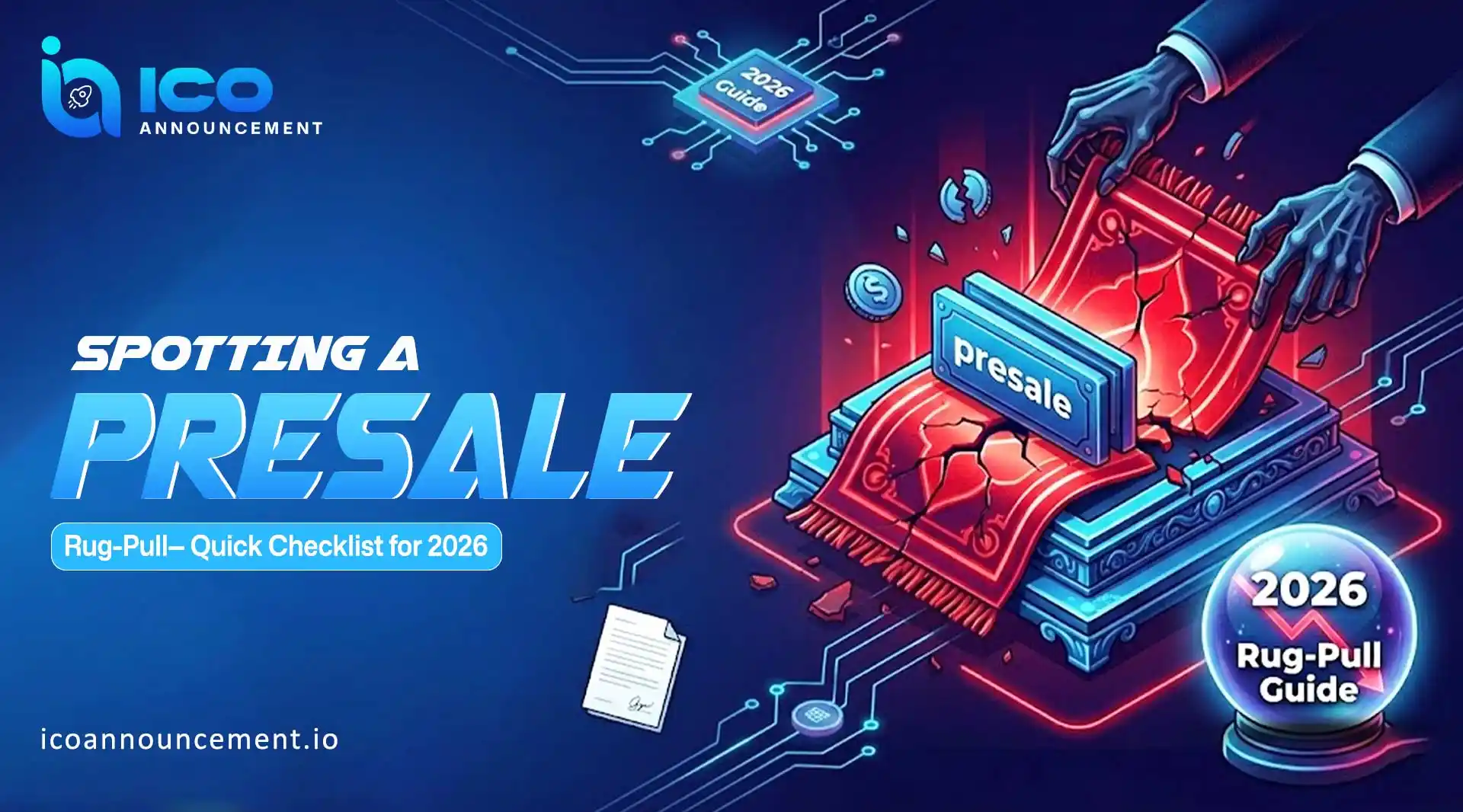
Crypto presales can feel exciting. New tokens launch every day, and some look like big chances. But many also carry risk. A rug-pull is when a project team takes funds and disappears or changes the rules to block users from selling. This guide shows how to spot warning signs fast, using a simple checklist you can follow in about 10 minutes.
Reports from SolidityScan (May 2026) and dashboards from CertiK (April 2026) show that rug-pulls are still common. Many of them could be avoided with basic checks. You do not need deep tech skills. You only need a clear process.
Why Presale Safety Matters in 2026
The number of presales has grown fast. Low fees and easy token launch tools make it simple for anyone to create a project. That also means more fake or unsafe projects enter the market.
Security reports show that most scams follow similar patterns. Teams use hype, fast timelines, and limited details to push users to buy early. Once funds are collected, they either remove liquidity, mint extra tokens, or vanish.
That is why having a quick safety checklist is important. It helps you slow down and check facts before sending funds.
1. No Renounce and Unlimited Mint Flags
Start with the token contract. This is the core code that controls supply and transfers.
Two key things to check:
Ownership status
Mint function
If the owner has not renounced control, they can still change key settings. This includes fees, wallet limits, or even blocking sales.
Next, check if the contract allows unlimited minting. If mint is active, the team can create new tokens at any time. This can crash the price or drain value from early buyers.
Simple rule: If ownership is active and mint is not limited, risk is high.
Many rug-pulls in 2026 used this exact method. The contract looked normal at first, but later the team used mint to flood supply.
2. Liquidity Unlock Timers Under 3 Months
Liquidity is what allows users to buy and sell tokens. If liquidity is not locked, or locked for a very short time, it is a major red flag.
Check these points:
Is liquidity locked?
For how long?
Is the lock verified on-chain?
If liquidity unlock is less than 3 months, the team can remove funds quickly. This is one of the most common rug-pull methods.
Safer sign: Liquidity locked for 6–12 months or more.
Also check where liquidity is locked. Trusted lock tools show proof on-chain. If the team only says “locked” without proof, do not trust it.
3. Social Media Red Flags & Bot Followers
Next, check the project’s online presence. This step is fast but very useful.
Look at:
Follower count vs engagement
Comments and replies
Account age
If a project has thousands of followers but very low likes or comments, it may be using bots.
Other warning signs:
Same type of comments repeated
No real discussion in groups
Admins avoiding direct questions
Real projects have active communities. People ask questions, share updates, and discuss details. Fake projects often show only hype messages.
4. Unrealistic Hard Cap / Soft Cap Ratios
Every presale sets a soft cap (minimum goal) and hard cap (maximum goal). These numbers should make sense.
Red flags include:
Very high hard cap with no clear use
Large gap between soft cap and hard cap
No clear plan for raised funds
For example, if a project asks for millions but has no product, no team details, and no roadmap, it is risky.
Simple check: Ask: “Why does this project need this amount?”
If there is no clear answer, step back.
5. Emergency Exit Steps if You Bought Early
Sometimes users enter a presale before checking everything. If you already bought, there are still steps you can take.
Act fast:
Check if trading is live
Try a small test sell
Watch liquidity status
If selling is blocked or fails, it is a strong warning sign.
Next, protect your wallet:
Revoke token approvals using tools like Revoke.cash
Disconnect your wallet from unknown sites
Move funds to a safer wallet if needed
If you still hold the token, follow updates closely. Do not wait too long if warning signs increase.
Quick 10-Minute Checklist
Here is a simple version you can follow before any presale:
Minute 1–2: Contract Check
Ownership renounced?
Mint limited?
Minute 3–4: Liquidity Check
Locked or not?
Lock duration?
Minute 5–6: Social Check
Real engagement?
Active community?
Minute 7–8: Fund Check
Caps realistic?
Clear use of funds?
Minute 9–10: Final Review
Any missing details?
Any pressure to buy fast?
If two or more red flags appear, it is better to skip.
Extra Safety Tips for 2026
Always use a separate wallet for presales
Never invest more than you can afford to lose
Avoid projects that rush decisions
Double-check links before connecting your wallet
Security tools and reports can help, but your own checks matter most.
Conclusion
Rug-pulls are still a real risk in 2026, but many of them follow simple patterns. By checking contract control, liquidity locks, social signals, and funding logic, you can reduce your risk in minutes.
Use tools like Revoke.cash to manage permissions and keep your wallet safe. For long-term storage, consider using hardware wallets like Ledger Nano X or Trezor Model T.
The goal is simple: slow down, check basics, and avoid rushed decisions. A few minutes of review can protect your funds and help you avoid common presale traps.
Disclaimer
This guide is for educational purposes only. Crypto investments carry risk, including loss of funds. Always do your own research before investing.