How OpenMind Plan to Make It Safe for Different Robot to Work Together
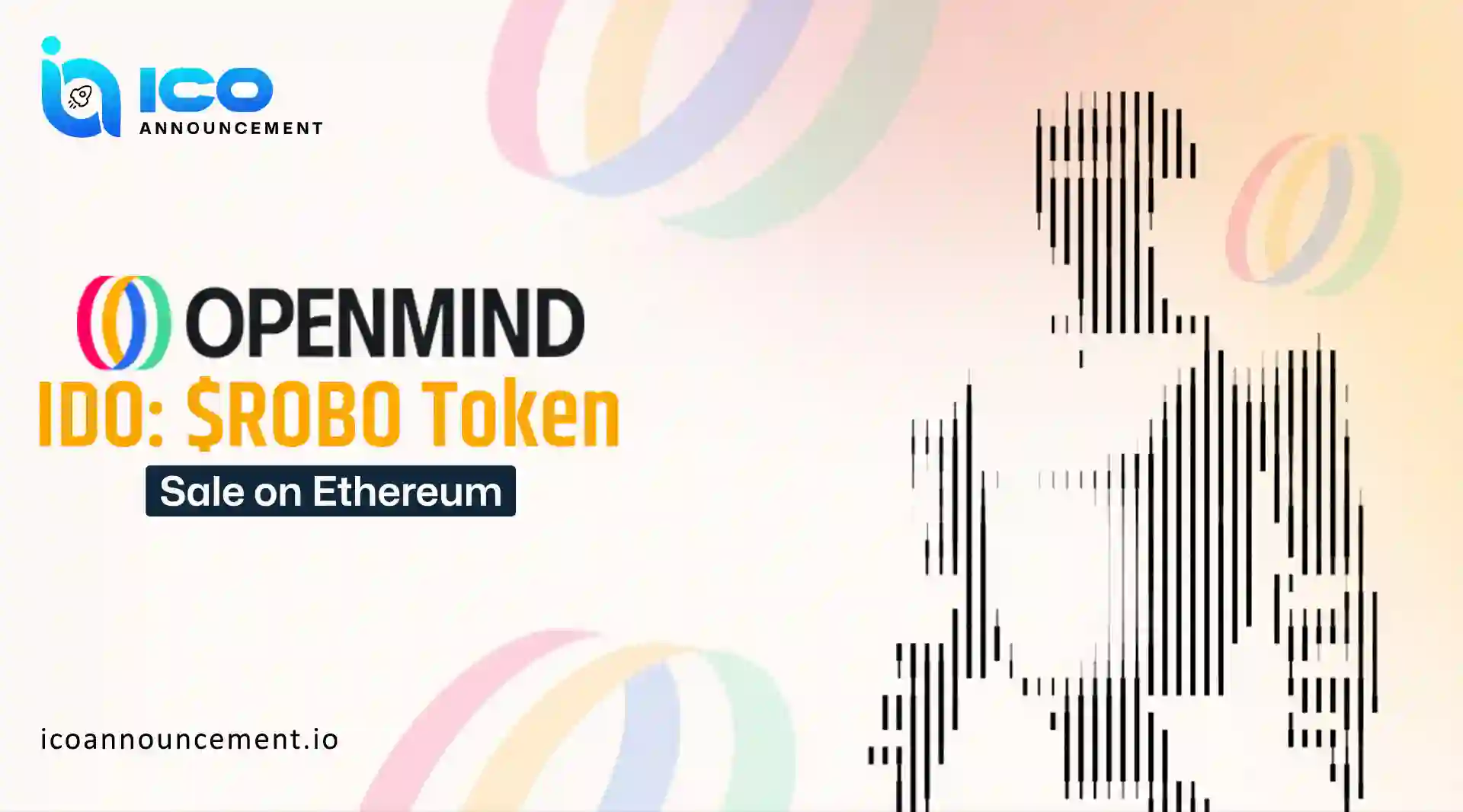
OpenMind is a project that wants many robots to work together. They build software called OM1 and a network layer called Fabric. The idea is to let robots share location, data, and tasks safely.They also launched a token called $ROBO. The token links to the Fabric network and is meant to be used inside the system.
About
OpenMind says OM1 is open-source. That means developers can read and use the code. Fabric is the trust layer. It helps robots verify each other and share context. This could work like a simple identity and messaging layer for machines.In late January 2026 the team ran a public sale for ROBO. The sale targeted a fully diluted valuation (FDV) of about $400 million and aimed to raise roughly $2 million. Only a small share of supply was offered in that round. The sale opened on January 26, 2026.OpenMind has backers and partners. Some reports list investors like Pantera Capital and Coinbase Ventures and say the team raised funding earlier. The public sale also gave priority allocations to partner communities.
Applications
Robot identity and trust- Robots need to know who to trust. Fabric aims to give a way for robots to prove identity. This helps when many devices work together, for example in a factory or a warehouse.
Map and environment sharing- Robots that move around can share maps and context. If one robot learns a layout, others could reuse that map. This may cut time and errors.
Task coordination- Many robots can split work. One picks parts. One assembles. One inspects. A shared protocol can let them pass tasks and data safely.
Developer tools and ecosystem- OpenMind says OM1 and developer portals let teams build robot apps faster. If true, it may make it easier for smaller companies to ship robot products.
Industrial and research use cases- Warehouses, labs, and factories are the likely first places. Robots there already do many jobs. A shared network could add coordination.
IDO launched
IDO is the chance to buy a token early before they get listed on public exchanges. OpenMind offers its token early at a discounted rate. Early buyers get extra rewards as the project gets success and also become part of the project journey from the beginning.
IDO details
Start Date- January 26 2026
End Date- February 2 2026
Total Supply- 100,000,000.00
% of Supply- 40.00%
Accepted Currency- USDT
IDO Price- 0.01 USDT
Roadmap
Step 1
The team will develop the project through
The team will create the project
The team will establish their team
The team will develop their smart contract
Step 2
OpenMind Crypto IDO launch
The $ROBO token sale will start
The community will expan
Step 3
The platform will introduce DeFi tools
The platform will implement its governance framework
The platform will receive its operational enhancement
Step 4
The project will introduce additional functions
The project will work with other organizations
The project will achieve sustainable expansio
Risks and Considretio
Technology risk- Robotics is hard. Making hardware, sensors, and software work well in real places is not simple. A system that works in demos may fail in messy real life.
Blockchain fit question- Using blockchain for robot coordination is debatable. Blockchains can be slow or costly for real-time robot control. Some teams prefer direct networks or off-chain solutions. This could limit how useful Fabric is.
Market and adoption risk- Big players already make robot OS and tools (ROS and others). OpenMind must convince robot makers to adopt OM1. That takes time and real projects.
Tokenomics and price risk- The starting FDV ($400M) and the TGE unlock term mean a quantity of supply can hit the market quickly. That can cause selling pressure and volatile price moves. New tokens often swing hard after launch.
Execution and team risk- Building a long-term network requires consistent effort, even with financing and partner. Roadmap delays, technical bug, or fewer users than hoped can slow or stop progress.
Future outlook
If OpenMind gets real adoption the Fabric network could matter. Robots in warehouses, service robots, and research platforms might use shared maps and identity. That would make the token useful for paying fees or running services. But adoption may be slow. Robotics markets move step by step. Many pilots. Few big rollouts at first. It could take years before the idea finds wide use. Token value will follow use. If builders and companies use Fabric, ROBO could see steady demand. If not, price may be mostly speculative. The early sale numbers and unlock schedule make short-term price swings likely.
Conclusion
OpenMind tries to make a shared network for robots. OM1 and Fabric are the key pieces. $ROBO is the token for that network. The idea is interesting. But it is early. There are technical questions and adoption hurdles. The token sale and high FDV bring extra market risk. This piece is not telling you to buy or sell. It is just a simple, calm explanation.
Disclaimer
This is general information only. Not financial advice. Not an endorsement. Crypto and token projects are risky. Prices can fall fast. Always Do your own research (DYOR).