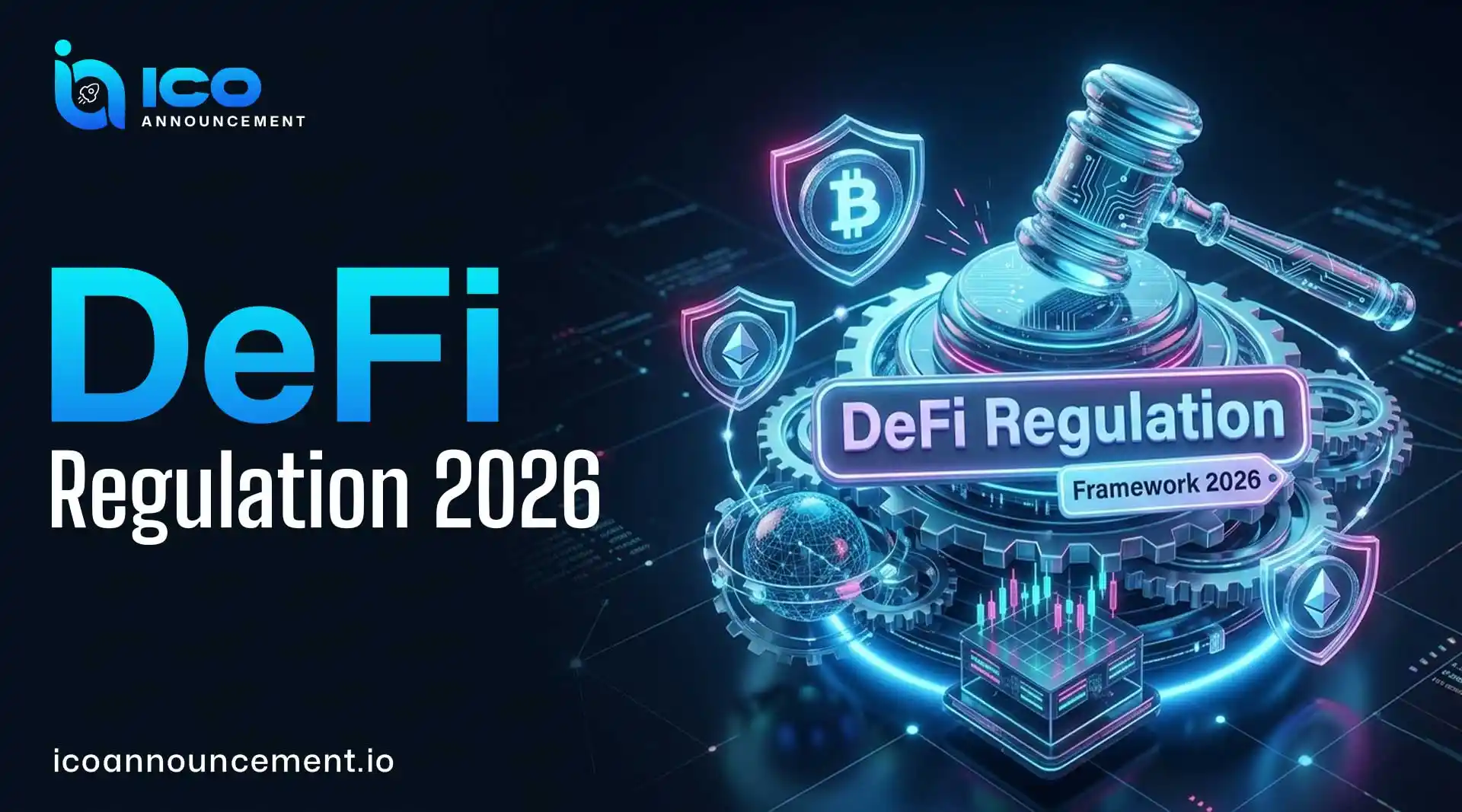
Key Rules and Compliance Steps DeFi Protocols Must Follow
DeFi Regulation 2026 - What Protocols Must Do matters because it affects how you find, judge, and manage crypto opportunities. This guide explains DeFi Regulation 2026 - What Protocols Must Do in plain English so you can move from curiosity to a more disciplined process.
If you're new, start simple. Focus on utility, token supply, vesting, liquidity, and security before you look at hype. Why does DeFi Regulation 2026 - What Protocols Must Do matter so much in crypto? Because small structural details often decide risk, access, and long-term price behavior.
For live site navigation, begin with our crypto ICO list to see how ICO Announcement organizes related pages.
DeFi Regulation 2026 - What Protocols Must Do matters because compliance changes distribution, marketing, custody, and investor protection. The legal frame can reshape the whole token sale model.
DeFi regulation in 2026 is becoming more clear, but it is still changing. Governments are trying to protect users while allowing innovation to grow. The goal is to reduce scams, improve transparency, and bring more trust to the space.
Why Regulation Is Increasing
In earlier years, DeFi grew fast with very few rules. This led to hacks, fraud, and user losses. Regulators are now stepping in to create basic standards for safety and accountability.
Key Areas of Focus
1. KYC and AML Rules
Some DeFi platforms now follow basic identity checks to prevent illegal activity. This is more common on platforms that connect with fiat systems.
2. Stablecoin Control
Stablecoins are under strong review because they are widely used in DeFi. Regulators want clear backing and proof of reserves.
3. Smart Contract Audits
Security audits are becoming expected. Projects are encouraged to test their code before launch to reduce risks.
4. Platform Responsibility
There is growing discussion about who is responsible when something goes wrong developers, users, or platform operators.
Projects should not treat rules as a box-ticking exercise. Regulatory clarity affects banking access, exchange relationships, disclosures, and long-term credibility.
How projects and investors should respond
Investors also need to adapt. A compliant structure does not remove market risk, but weak compliance can add operational and legal risk on top of price volatility.
That process helps you separate interesting stories from investable structures. It also shows whether timing, chain choice, and launch venue support the model or weaken it.
If you want more internal context, best 5 defi tokens. These pages help you compare how similar subjects are framed across the site.
Read the project overview or sale page first and note the core value proposition.
Match token utility with actual product demand, not just future plans.
Map the unlock schedule to likely sell pressure after TGE or exchange listing.
Decide in advance what would make you pass on the opportunity.
Where compliance changes risk
Rules change how projects launch and how users participate. That is why official sources matter more than social threads here.
That means using position sizing, comparing alternatives, and accepting that no single article or community call can replace your own research. In crypto, bad entries often come from rushed decisions, not missing information.
Use official references when details matter. You can start with CoinMarketCap crypto glossary to understand basic crypto terms clearly.
CoinGecko Learn is also helpful, as it explains concepts in a simple and easy way.
Then compare those sources with project documents and on-chain evidence to verify the information properly.
Related ICO Announcement resources
Use the site hubs and related guides above as a fast path into deeper research. They help you compare structure, examples, and deal flow without jumping between unrelated pages.
Glossary
- KYC: Know Your Customer checks used to verify user identity.
AML: Anti-money laundering controls that monitor source of funds and suspicious activity.
Jurisdiction: The legal location whose rules govern a token sale or service.
Disclosure: A written statement that explains risks, fees, and important facts.
Risk note
DeFi Regulation 2026 - What Protocols Must Do can look simple on the surface, but structure, execution, and disclosure quality change the real risk. Treat this guide as a starting framework. Verify claims with official documents, on-chain data, and trusted third-party sources before making any decision.
Disclaimer
This content is for informational purposes only and does not constitute financial or investment advice. Cryptocurrency investments carry significant risk, including the potential loss of your entire investment. Always conduct your own research (DYOR) and consult a qualified financial advisor before making any investment decisions. icoannouncement.io does not endorse any specific project, token, or ICO.