How to Secure Your Crypto Wallet: A Complete Safety Checklist
Every year, users lose crypto to hacks, scams, and simple carelessness.
Most of that loss is preventable.
Crypto wallet security is not a one-time setup step; it is an ongoing habit that separates users who keep their funds from those who learn the hard way.
This guide breaks down the exact checklist to follow, from seed phrase storage to hardware Asset Vault to spotting phishing attempts before they cost you.
Key Takeaways
Crypto Asset Vault security starts with controlling your private keys, not trusting an exchange to do it for you.
A hardware Asset Vault remains the strongest defense for holding significant crypto long-term.
Two-factor authentication and unique passwords close off the most common attack paths.
Phishing links, fake Asset Vault apps, and malicious browser extensions cause the majority of individual losses.
Regular Asset Vault security audits, including permission revocations, prevent silent draining of funds.
Why Does Crypto Wallet Security Really Matter for Every Holder?
Crypto transactions are irreversible.
Once funds leave an asset vault, there is no bank to call and no chargeback to file.
That single fact is why crypto Asset Vaultsecurity carries more weight than security for a typical online account.
A compromised asset vault does not just risk a password reset; it risks a permanent, total loss of whatever assets sit inside it.
Strong crypto Asset Vault security combines a hardware or software layer, a behavioral layer, and a recovery layer, and neglecting any one of the three leaves an opening.
What Are the Most Common Risks to Crypto Wallet Security Today?
Attackers rarely need to break encryption.
They exploit habits instead. Weak crypto asset vault security usually traces back to a handful of repeated mistakes rather than sophisticated hacking.
Phishing sites that mimic real Asset Vault interfaces remain the top threat, tricking users into entering a seed phrase directly into an attacker's form.
Malicious browser extensions, fake wallet-connect prompts, and unlimited token approvals granted to unaudited smart contracts also drain funds quietly, sometimes weeks after the initial approval.
SIM-swapping attacks target 2FA codes sent by SMS, which is why authenticator apps are consistently recommended over text-message verification for anything wallet-related.
How Can You Properly Secure Your Seed Phrase and Private Keys?
The seed phrase is the single most important element of crypto asset vault security.
Whoever holds it controls the funds, regardless of which device or app was originally used to generate the Asset Hub.
Never store a seed phrase as a screenshot, a cloud note, or a text file.
Write it on paper or, for larger holdings, a fire-resistant metal backup, and store copies in separate physical locations.
Private key security follows the same rule: no browser autofill, no password manager screenshots, and no sharing under any circumstance, including with anyone claiming to be Asset Hub support staff.
Which Crypto Asset Hub Security Checklist Steps Should You Follow?
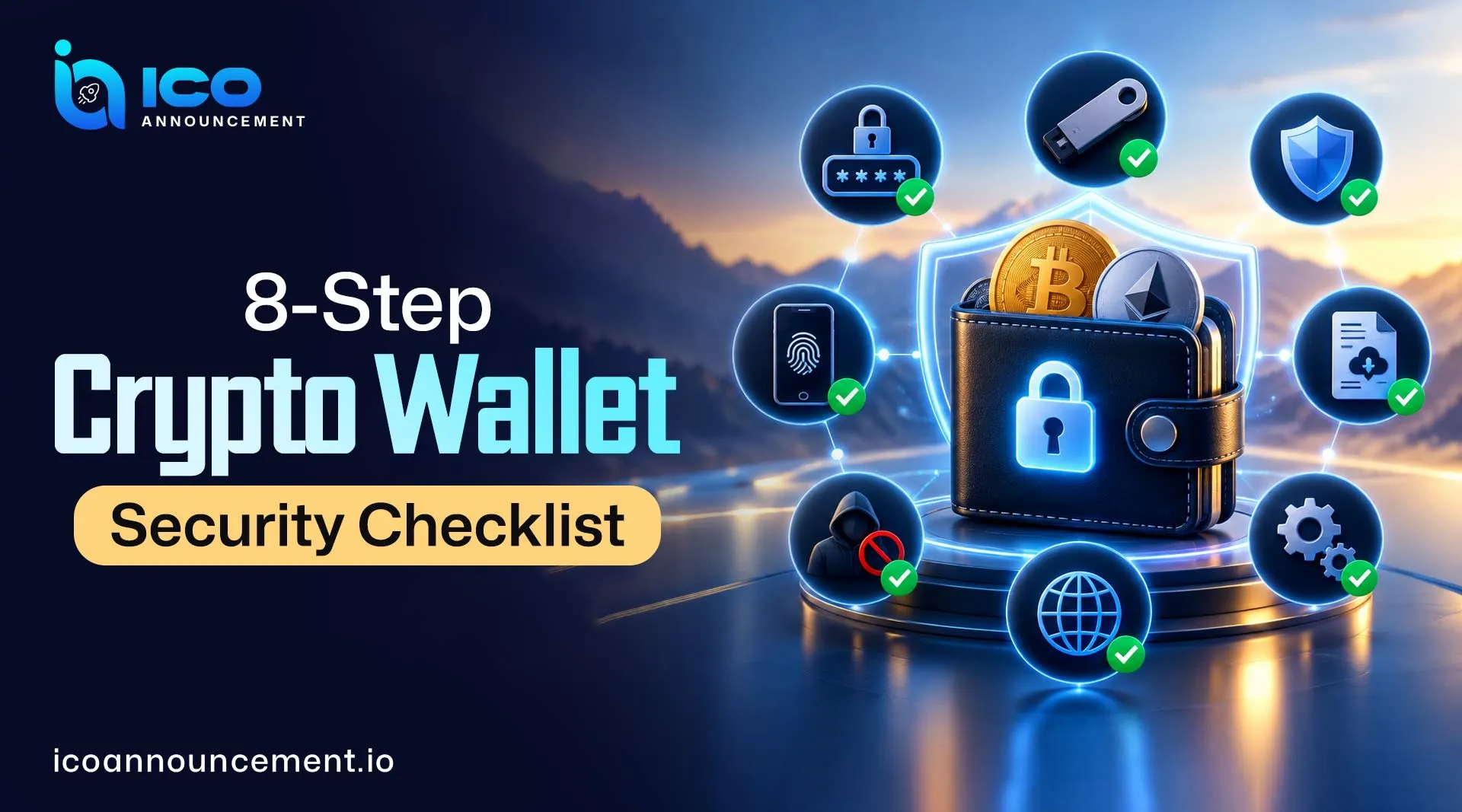
This is the core crypto asset hub security checklist worth revisiting every few months, not just at setup.
Move any holdings beyond daily spending needs into a hardware Asset Hub rather than an exchange or hot Asset Hub.
Write down the seed phrase offline and store it in at least two separate secure physical locations.
Enable two-factor authentication using an authenticator app, never SMS, on every connected exchange or Asset Hub account.
Bookmark official Asset Hub and exchange URLs instead of searching or clicking links from emails and social media.
Review and revoke unused token approvals every one to two months using a trusted approval-checker tool.
Verify every transaction address and amount on the hardware wallet's own screen before confirming a signature.
Keep wallet firmware and apps updated directly from official sources only, never from third-party links.
Use a dedicated device or browser profile for Asset Hub activity, separate from general browsing.
Following this checklist consistently does more for Digital Asset Security than any single advanced tool ever could.
Hot Wallet vs Cold Wallet: Which Option Offers Better Security?
A hot wallet stays connected to the internet, which makes it convenient for daily transactions but more exposed.
A cold wallet, or hardware wallet, keeps private keys offline, which is why it forms the backbone of serious digital asset protection for anyone holding meaningful value.
The practical approach most experienced holders use is a split: a small hot wallet balance for active use and the bulk of holdings secured in cold storage.
This limits the damage a single compromised device or phished session can cause while still keeping funds usable day to day.
What Should You Do Immediately if a Wallet Is Compromised?
If you suspect a breach, act within minutes, not hours, since delayed response is one of the fastest ways to undo otherwise solid digital asset protection.
Move remaining funds to a new digital account with a freshly generated seed phrase, generated on a clean device that has never touched the compromised one.
Revoke every token approval tied to the old Digital Account address using a reputable approval-checker tool, since attackers often return to drain newly deposited funds.
Report the incident to the wallet provider and, if a specific exchange or dApp was involved, to their support channel as well, since patterns reported early sometimes help flag the attacker's address before it moves further funds.
Treat the old wallet as permanently unsafe going forward, even after revoking approvals, and never reuse its seed phrase for a new digital account.
Expert Opinion
Protection researchers who study wallet-drainer incidents consistently point to the same pattern: losses cluster around social engineering, not cryptographic weaknesses.
Attackers target attention and urgency rather than code, which means digital asset Protection depends as much on user discipline as on the tools chosen.
Analysts covering the space also note that approval-based drainers have grown more common as DeFi usage expands, making periodic permission audits as essential to wallet protection as the initial setup itself.
Treating a checklist as a recurring habit, rather than a one-time task, is what separates resilient holders from repeat victims.
Disclaimer
This article is for informational purposes only and does not constitute financial or Protection advice. Crypto asset custody carries inherent risk, and users should conduct independent research and apply their own judgment before making decisions about how to store or manage digital assets.