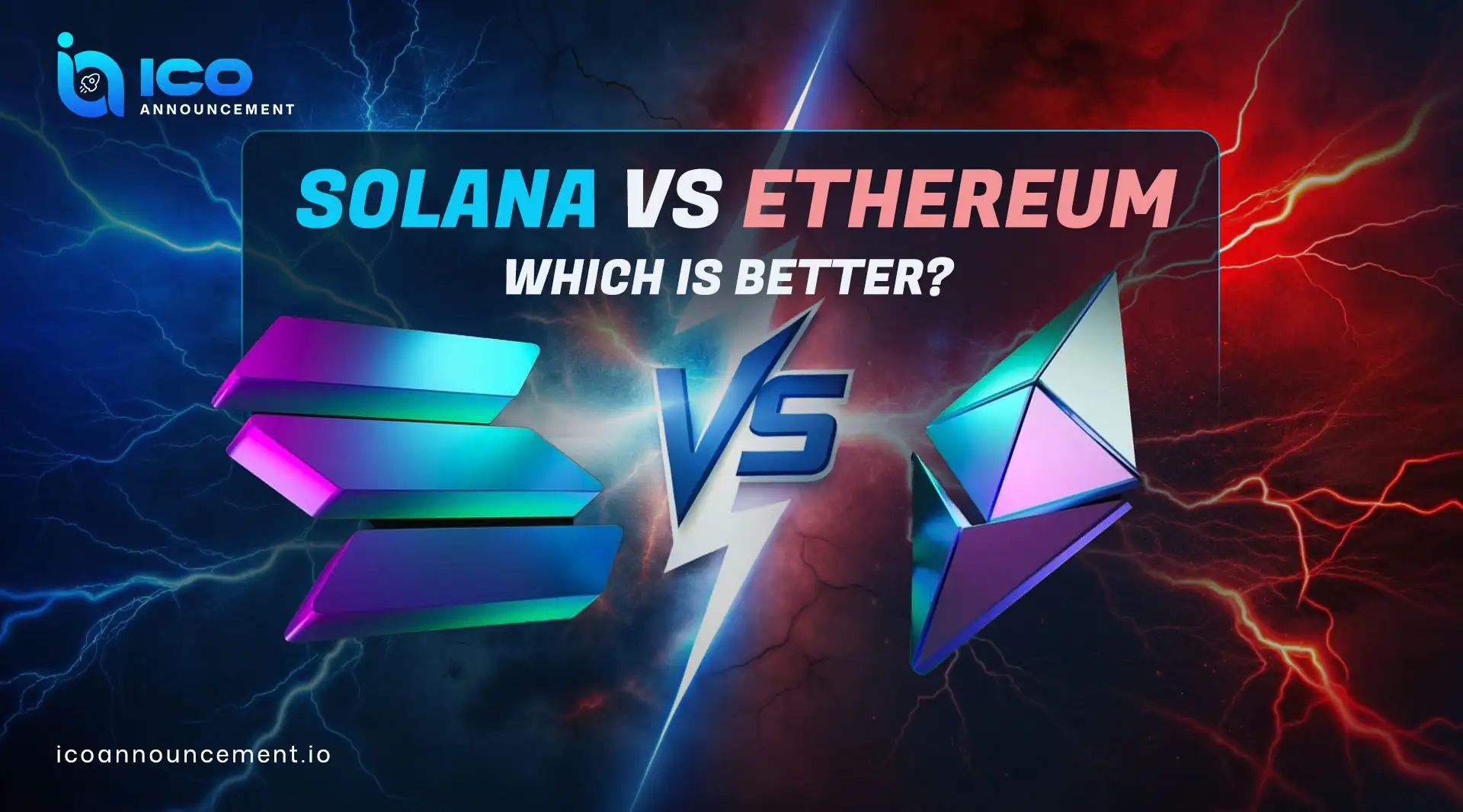
Solana vs Ethereum: Comparing Speed, Stability, and Ecosystem Growth
Crypto can feel confusing at first. There are many coins, many platforms, and a lot of noise. Two names you will hear again and again are Solana and Ethereum. Both are popular. Both are used by real people. But they are not the same.
The first was Ethereum, which introduced smart contracts to the crypto space. It was a home base for numerous apps, games and tokens. Solana followed up, but with a distinct aim. It emphasizes speed and low fees, attempting to remedy some of the issues people encountered on Ethereum.
So, which one is better? The answer is not simple. It depends on what you need. Some people value safety and long-term trust. Some demand speedy and cheap transactions. In this article, we will only go through both so as to understand how they work and what makes each one special.
What is Ethereum?
It started in 2015. It was not just made for sending money. It was built so people could create apps on it. These apps are called dApps. They run on the blockchain and do not need a central company.
Over time, Ethereum became the base for things. DeFi apps, NFT platforms, and many tokens all started here. Because of this, Ethereum has built strong trust. Many developers still choose it.
But it is not perfect. When people use the network, it can slow down. Fees can also go up. Some users find it expensive, especially for small transactions.
What is Solana?
It is new. It launched in 2020. It was built with one clear idea. Make transactions fast and cheap.
It can process a large number of transactions in a short time. Fees are usually very low. Because of this, it feels smooth to use, even for beginners.
But it is still growing. It has not been tested for as long as Ethereum. There have also been times when the network stopped working for a short period. That makes some users careful.
Speed and Fees
This is where the biggest difference shows up.
Ethereum is slower compared to Solana. It can handle a limited number of transactions per second. When traffic increases, fees also increase. Some users end up paying a lot just to complete a simple action.
It is much faster. It can handle thousands of transactions in one second. Fees are very low, often just a tiny amount. This makes it useful for apps where many actions happen quickly.
But speed alone does not decide everything. A fast network still needs to stay stable.
Stability and Trust
It has been around for years. It has handled many situations and still runs without major stops. Because of this, many people trust it more. It is improving, but it has faced outages before. This means the network paused for some time. For users who need constant access, this can be a concern. So when it comes to long-term trust, Ethereum feels more tested.
Ecosystem and Growth
Ethereum has a large ecosystem. Many projects started here, and many users are already part of it. It has more tools, more apps, and more developers working on it every day. Solana is smaller but growing fast. It has become popular in areas like NFTs and gaming. New projects are still joining, but it is not as large as Ethereum yet. So one feels established, while the other feels like it is still expanding.
Developer Side
Developers play a big role in any blockchain. It uses a language called Solidity. It is widely known, and there are many guides to learn it. Because of this, new developers often start with Ethereum. Solana uses Rust. It is powerful but harder to learn for some people. This can slow down new developers from joining. Still, some developers prefer Solana because of its speed and performance.
Real Use in Simple Terms
Ethereum is often used for things that need strong security and wide support. This includes DeFi platforms, stablecoins, and large NFT projects. Solana is often used for fast actions. This includes trading apps, gaming, and quick NFT minting. So the use case matters. One is not always better than the other.
Benefits of Ethereum
It feels more stable because it has been used for a long time. Many people trust it, and many apps already run on it. It has a strong community, and developers continue to build new tools. It is also widely supported across exchanges and wallets.
Benefits of Solana
Solana stands out for speed and low cost. It is easy to use without worrying much about fees. It works well for apps that need fast actions. It is also growing, and new users are joining because of the smooth experience.
Problems to Keep in Mind
It can become expensive during busy times. Fees may feel too high for small users. It can also feel slow when the network is crowded.
Solana has had network outages in the past. It is still building trust. Some users are not fully confident yet because it is newer.
Both networks are still changing. Nothing is fixed forever in crypto.
Which One Feels Better?
If someone wants something stable and widely used, It may feel safer. If someone wants low cost and fast speed, Solana may feel easier.
Some users do not choose just one. They use both, depending on what they need.
Final thoughts
Both Ethereum and Solana feature their own qualities. The network effect of Ethereum is more trusted because it has been here for years and that there are many apps on top of the layer. It also feels fast and inexpensive, so it's nice for daily usage. There is no one right choice for everyone. It depends on what you need. That’s why many people use both networks to combine the best of speed, cost and long-term trust.