What Is Web3 and How It Is Changing the future of the Internet
Have you ever wondered who really owns the things you put online? When you post a photo on Instagram, watch a video on YouTube, or text a friend on WhatsApp, you use apps built by massive companies. These companies own the servers where your data lives. They make the rules. They can change things whenever they want.
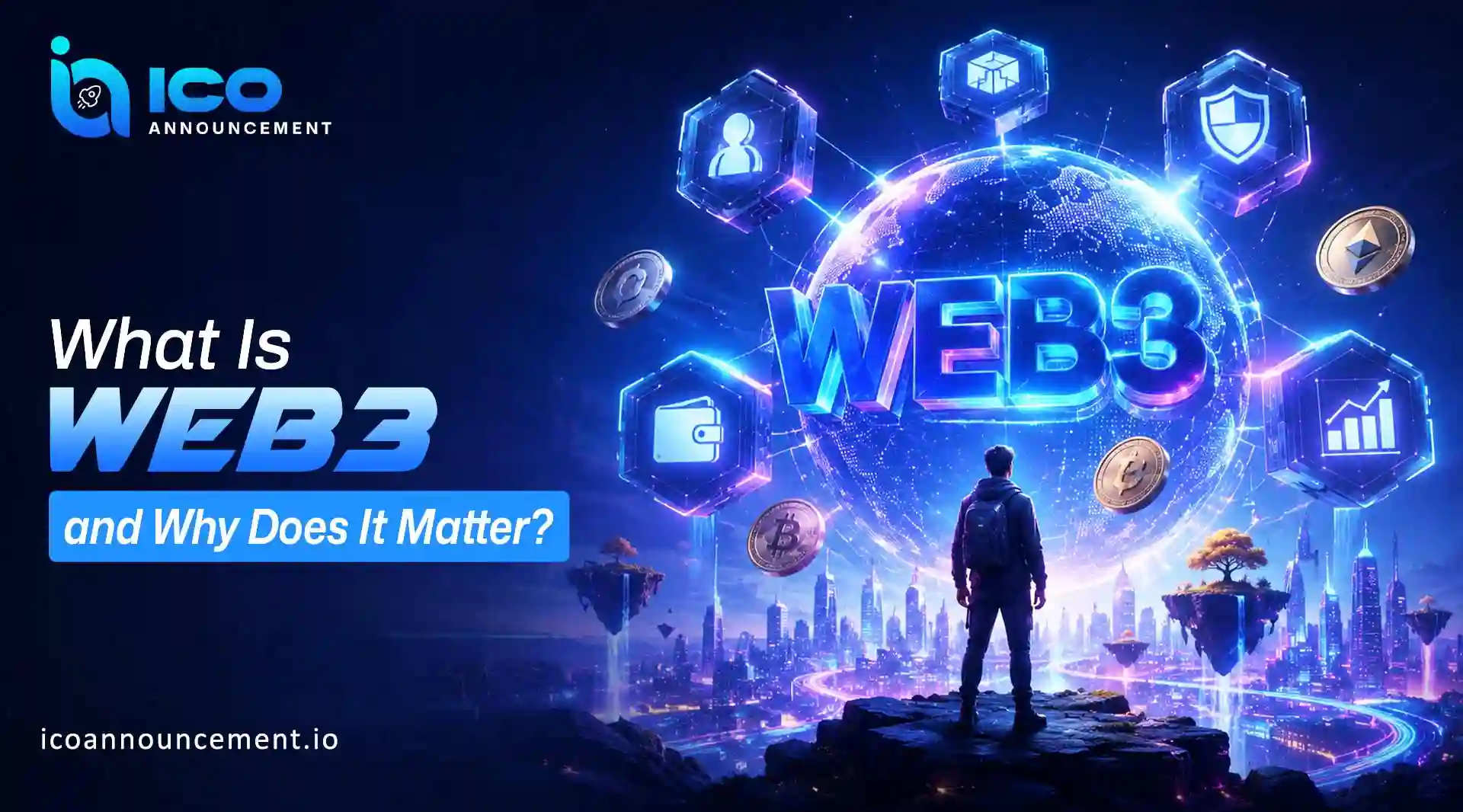
A lot of people are starting to think about a new way to build the internet. Many experts describe Web3 as the future of the decentralized internet, where users gain more control over their data, digital identity, and online assets instead of depending completely on large tech companies.
What exactly is Web3?
It is lauded as the next phase of internet evolution. The applications run mainly on blockchain networks, in contrast to traditional web-based companies that control websites. A blockchain is a system where data is stored on many computers rather than one server or database. This enables users to perform without solely relying on one company in the online realm.
To put it simply, it tries to make a type of internet that gives users more ownership in their lives digitally. An example might be that if a gaming company has complete control over your items in the game, then with blockchain technology, players could own their items.
The Story of the Internet (How We Got Here)
To understand Web3, it helps to look at how the internet changed over the years. Think of it like three different chapters in a big book.
Web 1: Only Reading (The 1990s)- In the early days, the internet was like a giant digital library. You could open a page and read information, like a news article or a recipe. But you couldn't comment, share, or make your own posts. It was a one-way street. Companies wrote the words, and we just read them.
Web 2: Reading and Writing (The 2000s until Now)- Then came social media, blogs, and video sites. Suddenly, anyone could create things online. You didn't need to know how to code to put a video on YouTube or share a thought on Facebook. The internet became interactive.
But there was a catch. A few huge tech companies built these platforms. Because they own the platforms, they also own your data. They track what you like, show you ads based on that data, and make billions of dollars from it. If they decide to close your account tomorrow, everything you made on that site is gone.
Web 3: Reading, Writing, and Owning (The Future)- It is the next chapter. The big idea here is ownership. Instead of big companies owning the spaces where we hang out online, the people who use the spaces own them.
How Does Web3 Actually Work?
It uses a special technology called the blockchain. Think of a normal app today, like a bank app. All the information about who has how much money is kept on one big computer system owned by that bank. If someone hacks that computer, or if the bank goes out of business, there is a big problem. This is called a centralized system.
A blockchain is different. It is like a shared digital notebook. Instead of living on one company's computer, copies of this notebook live on thousands of different computers all over the world at the same time.
Many developers are now building platforms focused on real-world Web3 utility, helping blockchain technology move beyond speculation into everyday applications and digital services.
Why People Believe Web3 Matters
It is important because we need to change the way the internet works today. User data is really sensitive today. Big corporations gather data on browsing history, purchases, preferences, and behavior online. Many advocates claim users deserve ownership over this data. Others focus on financial access.
DeFi, or decentralized finance, is a digital currency that enables individuals to lend, borrow, trade, or earn rewards without the involvement of banks. Such systems operate via applications based on blockchain. This concept can seem significant for individuals in areas with minimal financial accessibility.
Not every project succeeds, though. There are projects that solve real problems, while others exist mainly because of hype cycles and speculation. Understanding the common Web3 project failures can help users avoid risky platforms and make smarter decisions before investing or participating in new ecosystems.
Will Web3 Replace the Current Internet?
Probably not completely, and definitely not overnight. It is much more likely that it will blend into the internet we already use. You might still use your favorite social media apps, but maybe they will let you log in with your digital wallet to show off a digital collectible you own.
Some parts of the internet don't need a blockchain. For example, reading a basic weather report or checking school lunch menus works perfectly fine on Web 2. But for things like money, art, gaming, and personal identity, it offers options that never existed before.
Summary: The Big Picture
At the end of the day, it is an experiment. It is a try at making the digital world a bit fairer for normal users.
Instead of letting five or six giant tech companies run the whole internet, track our moves, and own our digital lives, it tries to shift that power back into the hands of everyday people.
It has a long way to go. The technology needs to become much safer and easier for regular people to use without fear. But understanding the core goal of moving from a web where you just look at things to one where you actually own your piece of it, helps make sense of where the future might be heading.
Disclaimer
This article is for educational purposes only and should not be considered financial or investment advice. Always do your own research before investing in any cryptocurrency.